If police find drugs in your car in California, you could be arrested or cited, and the drugs may become evidence in a criminal case. What happens next depends heavily on what was found, who had access to it, whether you knew it was there, and how police came to search the vehicle.
Riverside alone has an estimated 323,057 residents, while Riverside County has more than 2.5 million people. With the average Riverside worker spending about 31 minutes travelling to work, vehicles are part of everyday life for a large share of the local population.
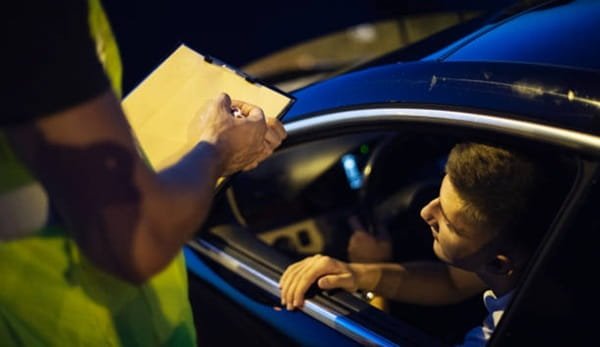
If you are dealing with a drug-related traffic stop or search, speaking with a Riverside drug possession lawyer can help you understand what the police were legally allowed to do and what options may be available. In this post, we will look at what can happen after drugs are discovered and why the circumstances surrounding the search can matter as much as the drugs themselves.
What Happens If Police Find Drugs in Your Car?
Here’s what’s likely to happen to you if the police ever find drugs in your car:
You May Face a Possession Charge
The police finding drugs inside a vehicle does not automatically prove that the driver owns said drugs. And so, for a possession charge to stick, the prosecution still has to establish the elements required under the relevant law. California Health and Safety Code section 11350 applies to possession of certain controlled substances without a lawful prescription or other legal authorization. The exact charge can depend on the substance involved.
That distinction can become important when several people have been travelling in the same vehicle. A bag found under a passenger’s seat, for example, raises different factual questions from drugs found in a driver’s personal belongings.
Under California Health and Safety Code 11350 HS, simple possession is generally treated as a misdemeanor carrying up to one year in county jail and fines.
Vehicle Impoundment and Evidence Inventory
Once an arrest occurs, law enforcement will order a tow for your vehicle. During this process, officers perform an inventory search of the entire car to catalog all personal items, which frequently leads to additional evidence being added to the prosecution’s case.
The Legality of the Search can Become a Major Issue
Police generally need a lawful basis to search a vehicle, although California and federal search-and-seizure law recognize several circumstances in which a warrant may not be required. The details of the stop, what officers observed, what was said, and whether consent was given can all become relevant.
If evidence was obtained through an unreasonable search or seizure, California Penal Code section 1538.5 provides a procedure for asking the court to suppress that evidence. A successful suppression motion can prevent the challenged evidence from being used against the defendant at trial, subject to the procedures and exceptions in the statute.
What Should You Do After Drugs Are Found in Your Car?
The safest approach is to avoid trying to explain away the situation at the roadside. You can provide required identification and follow lawful instructions, but you generally have the right to seek legal advice before answering substantive questions about suspected criminal conduct.
If you are arrested, pay attention to what happens next. The police report, details of the traffic stop, statements made by everyone in the vehicle, and the precise location where the drugs were discovered may all become important later.
A case can turn on details that seem minor at the time, particularly when the prosecution is trying to establish who knew about the drugs or exercised control over them.
Key Takeaways
- Drugs found in a vehicle can lead to criminal charges, but the circumstances still matter.
- California treats different controlled substances under different statutory provisions.
- Cannabis in a vehicle is subject to specific rules under Vehicle Code section 23222.
- Police must have a lawful basis for a search, although a warrant is not required in every vehicle search.
- California Penal Code section 1538.5 provides a procedure for challenging certain searches and seizures.
- Where multiple people had access to a vehicle, establishing possession may involve disputed factual questions.
- Anyone facing a drug-related charge should have the circumstances of the stop and search reviewed before making assumptions about the likely outcome.