Yes, cat-back exhaust systems are legal in California in 2026, but only if they follow the state’s strict noise and emissions rules. Many drivers think any aftermarket exhaust is illegal, while others assume anything installed after the catalytic converter is automatically allowed. The truth sits between these two ideas. A cat-back system is legal because it does not touch the catalytic converters, but the sound level and overall design still must meet California’s limits. If the exhaust is too loud or if it changes emissions-related parts, it becomes illegal. When done correctly, a cat-back exhaust is one of the few performance upgrades that California openly permits.
Why Cat-Back Exhausts Are Allowed Under California Law
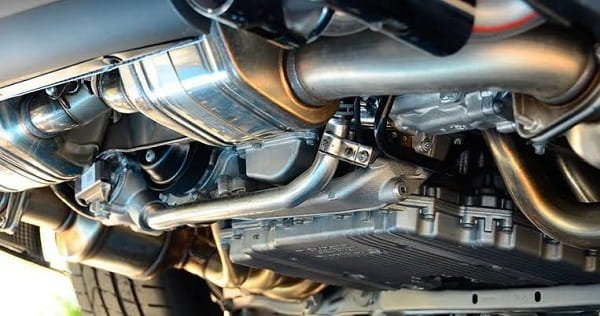
California bans tampering with emissions equipment. Since the catalytic converters sit at the front of the exhaust system, any modification upstream of them is illegal. A cat-back exhaust, however, installs after the catalytic converter. That means it does not affect emissions control. Because it leaves all emission components intact, the law allows cat-back systems as long as they do not alter the catalytic converters, oxygen sensors, or other regulated emissions hardware. This is why shops across the state openly sell and install cat-back systems without special permits.
Noise Limits Still Apply — The 95 dB Rule
Even though cat-back systems are legal, California enforces a statewide noise limit. Passenger vehicles under 6,000 pounds must stay at or below 95 decibels when tested under the official procedure. If your cat-back system is too loud, officers can cite you for excessive noise even if the exhaust is emissions-legal. The noise law applies whether the exhaust is stock, aftermarket, cat-back, or axle-back. A cat-back system becomes illegal the moment it goes over the limit or produces sound the state considers “excessive or unusual.”
Cat-Back Systems Cannot Remove or Replace Emissions Parts
Some people misunderstand the term “cat-back” and think they can remove secondary cats, resonators, or factory components that affect emissions. California allows only those systems that start after the final catalytic converter. If a cat-back removes a resonator that is part of the emissions system, or if the design changes the placement of oxygen sensors, the system becomes illegal. Fully straight-piped “cat-back” systems that cause significant noise spikes often fail both emissions standards and noise rules.
Most Aftermarket Cat-Backs Sold in California Are 50-State Legal
Because California has such strict laws, most major exhaust companies manufacture California-compliant cat-back systems. These exhausts are designed to pass sound tests and avoid modifying emissions components. Many carry CARB-friendly labeling or documentation, even though cat-backs do not need a CARB EO number. Reputable shops know the difference between legal and illegal systems, which is why California drivers usually purchase exhausts already tested for compliance. A properly installed cat-back system should pass smog checks since it does not touch the regulated parts.
Driving With a Too-Loud Cat-Back Can Still Bring Penalties
Even a legal cat-back can cause trouble if it is excessively loud. California officers do not need a decibel meter to stop you if the exhaust sounds unreasonable. A noise ticket can require a state referee test, and if the car fails, you must correct the exhaust before the case is cleared. Repeated violations can bring higher fines and can eventually be treated like mechanical non-compliance. The law focuses on sound level, not the brand or design of the exhaust.
Why Many Drivers Choose Cat-Backs in California
Cat-back systems are one of the few performance modifications that give better sound and airflow while staying within California law. Because they avoid emissions components, they do not require special paperwork, smog exemptions, or permits. As long as they stay quiet enough, they are legal for daily street use. That is why cat-back upgrades remain popular among California drivers who want modest performance without risking fines or failed inspections.
Conclusion
In 2026, cat-back exhausts are legal in California, but they must meet the state’s noise limits and avoid altering any emissions-related components. A properly designed cat-back system that stays under 95 decibels is allowed, smog-safe, and fully legal for street driving. The only time a cat-back becomes illegal is when the system is too loud or when it interferes with emissions equipment. California’s approach is clear: performance upgrades are acceptable, as long as they do not harm emissions compliance or public noise levels.