No — Ayahuasca is not generally legal in California. The brew typically contains DMT, which is classified under state and federal law as a Schedule I controlled substance. That means possession, sale, transport, or distribution of Ayahuasca is prohibited unless a very narrow exception applies. The fact that some communities or individuals use Ayahuasca for spiritual or healing purposes does not override the law. As a result, most Ayahuasca ceremonies — even well-intentioned ones — operate outside legal protections.
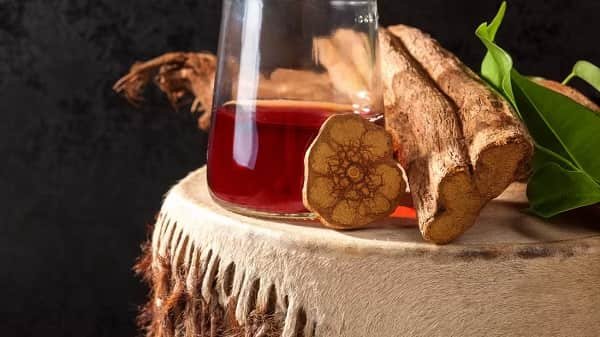
Why Ayahuasca Is Illegal — DMT Is Banned
DMT is listed under California Health and Safety Code as a controlled substance, making any “material, compound, mixture, or preparation” containing it subject to criminal penalties. That means Ayahuasca — which contains DMT — is treated like any other illegal drug. Possession or transport of the brew is punishable under state law, and selling or distributing it carries even harsher penalties. Because of this classification, Ayahuasca is broadly forbidden for private use or sale.
Past Federal Exceptions — Not Enough for California
At the federal level, there have been narrow exceptions for certain religious groups using Ayahuasca. The most famous case is União do Vegetal (UDV), which won permission to use Ayahuasca ceremonially under the Religious Freedom Restoration Act (RFRA) in a landmark court ruling. However, even that exception is strictly limited. Religious exemptions do not grant a broad license for general use or distribution, and they apply only under specific federal court rulings. California’s own drug laws and enforcement priorities remain in force. As a result, using or providing Ayahuasca outside approved, rare religious contexts continues to be illegal.
Recent Attempts at Decriminalization — Still Failed
In late 2022–2023, there was serious momentum behind a bill (often referred to as SB 58) that aimed to decriminalize possession and use of some psychedelics — including DMT (and thereby Ayahuasca) — for adults 21 and over. The proposal drew support from mental-health practitioners, veterans’ groups, and advocates for psychedelic-assisted therapy. But the governor vetoed the bill before it became law. As of now, California remains under the prior legal framework.
Because the bill failed, nothing changed for Ayahuasca’s legal status statewide. Possession, sale, transport remain prohibited under state law just as they are at the federal level.
Local “Decriminalization” Movements Don’t Change the Statewide Law
Some cities in California — notably including Oakland, CA, Santa Cruz, CA, and a few others — have passed resolutions that make enforcement of laws against natural “entheogens” (psychedelic plant or fungi substances) a low priority or mandate that enforcement be the lowest priority. But these local moves don’t legalize Ayahuasca. They only influence whether local police will prioritize enforcement. The state law that bans possession and distribution remains valid. That means if state police or federal officers act, they can still enforce the penalty.
Local decriminalization may reduce the risk in some areas — but it does not give legal protection. Attending an Ayahuasca ceremony in a city that passed such a resolution does not make you immune from arrest or prosecution if authorities decide to act.
Why Ayahuasca Is Risky Legally and in Practice
Because Ayahuasca is illegal, any possession, transport, sale, or distribution is risky. Even hosting or organizing a ceremony can bring legal trouble. Distributing or importing the brew — even for religious or healing purposes — is prohibited without explicit federal or court exemptions. Courts have denied many such claims of exemption recently, citing federal law.
Moreover, because most “retreats” operate without legal protection, attendees have no guarantee against legal consequences. Some retreat centers admit the risk and are labeled “underground.”
Beyond legality, there are real health and safety concerns with Ayahuasca consumption — especially in unsupervised settings. Many medical authorities warn about potent psychoactive effects and possible physical risks.
Conclusion — Ayahuasca Remains Illegal in California
In 2026, Ayahuasca remains illegal for general possession, sale, transport, or use in California. Its active ingredient, DMT, is a Schedule I substance under state law. Even though there are local efforts to de-prioritize enforcement and federal religious exemptions for select organizations, those do not change statewide legality for ordinary people. Until lawmakers pass new legislation — or until a court grants a broad exemption — using, carrying, or organizing ceremonies with Ayahuasca in California carries legal risk.