Yes, crossbows are legal to own and use in California, but the law places strict limits on when and how they can be used—especially for hunting. Many people assume crossbows are treated the same as firearms because they can fire projectiles with significant force, while others think they’re unrestricted sporting tools like compound bows. California places crossbows into their own category, allowing adults to purchase and possess them without a permit, registration, or background check. However, the moment a crossbow is used for hunting, carried in public, or brought near schools or government facilities, additional laws come into play. California’s rules do not make crossbows illegal, but they regulate their use to protect safety and wildlife.
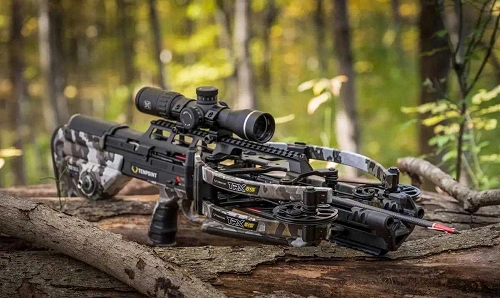
Owning and Carrying a Crossbow in California
California does not require any license or permit to buy or own a crossbow. It can be legally purchased by adults from sporting goods stores or online, and there is no waiting period, registration, or age-based purchase restriction set by statute. However, minors may only possess and use crossbows with parental supervision. While crossbows are legal to possess, carrying them in public places must be done responsibly. A crossbow may not be carried loaded in a vehicle, on school grounds, in government buildings, or in locations that restrict weapons. When transported, it must be safely stored, typically un-cocked and separate from bolts.
Another important point is that crossbows are not considered firearms under California Penal Code. That means concealed carry and open carry gun laws do not apply to them. But they are still classified as “dangerous weapons” in many public settings, especially if carried in a threatening manner. Brandishing a crossbow can lead to criminal charges similar to brandishing a knife or other weapon.
Crossbows and Hunting Regulations
The biggest legal restrictions on crossbows in California involve hunting. Crossbows are legal for hunting, but they are not treated the same as bows during archery-only seasons. During a standard archery-only hunt, hunters may not use a crossbow unless they have a special disability permit issued by the California Department of Fish and Wildlife. Without that permit, crossbows are only allowed during general firearm hunting seasons.
The disability exception allows hunters who cannot physically use a traditional or compound bow to apply for a permit that authorizes crossbow use during archery-only seasons. Without that approval, a crossbow hunter must wait for the regular rifle or general season to begin.
Crossbows may be used for hunting big game, small game, and certain depredation hunts, but they must follow strict rules on draw weight, bolt type, broadhead size, and humane harvest regulations. Using a crossbow outside permitted hunting seasons or in prohibited zones can result in fines, loss of hunting privileges, and even confiscation of the weapon.
Crossbows on Public and School Property
Even though crossbows are legal, they cannot be brought into certain locations. California law bans weapons—including crossbows—on school grounds, in secure government buildings, and in many state and local facilities without permission. Bringing a crossbow onto a school campus can lead to criminal charges, regardless of whether it is carried for sport or education. Public parks and recreation areas may also enforce their own rules, particularly where wildlife or children are present.
A person walking through a city with a crossbow may draw police attention even if they are not breaking a specific law. Because a crossbow is a projectile weapon capable of lethal force, authorities can investigate or confiscate it if they believe there is an intent to use it unlawfully.
Are Crossbows Considered Firearms in California?
California does not classify crossbows as firearms because they do not use explosive force to fire projectiles. This distinction impacts where and when they can be used. For example, felons who are prohibited from owning firearms may still legally own crossbows, unless a separate weapons restriction is imposed by court order. Additionally, crossbows are not subject to California’s waiting period, concealed carry restrictions, or registration requirements applicable to guns. However, using a crossbow to threaten or harm someone can lead to the same assault charges as using a firearm.
Conclusion
Crossbows are fully legal to own and use in California, with no permits or registration required. But they are regulated as weapons in public and closely restricted for hunting. The law allows possession while limiting misuse. Carrying a crossbow irresponsibly or using it outside approved hunting seasons can result in criminal penalties. The bottom line: California treats crossbows as legal tools for sport, self-defense, and hunting—but only when used safely, in the right places, and under the correct regulations.