Yes, drones are legal in California, but their use is tightly controlled by both federal and state rules. Many people think drones can be flown anywhere because they are sold in regular stores. Others believe California bans them in most places due to privacy and wildfire concerns. The truth sits in the middle. Drones are fully legal to own and fly, but pilots must follow FAA regulations, respect California-specific restrictions, avoid certain areas such as airports and wildfire zones, and obey privacy and property laws. Flying a drone is legal flying it irresponsibly is not.
Drones Are Primarily Regulated by Federal Law
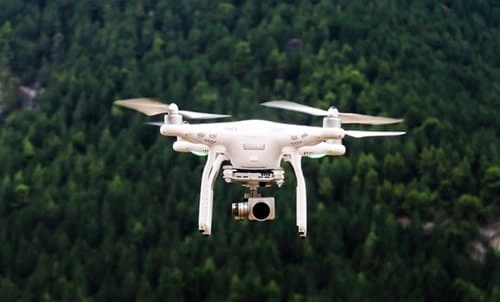
California allows drones, but the Federal Aviation Administration (FAA) controls how they’re flown in the national airspace. This means every drone pilot, whether flying for fun or for business, must follow FAA rules. These include registering certain drones, flying below 400 feet in most areas, keeping the drone within visual line of sight, and avoiding restricted airspace. If a drone weighs more than 250 grams, it must be registered. The state cannot override these federal rules, so every legal drone flight in California must meet FAA standards first.
California Adds Its Own Safety and Privacy Rules
While the FAA manages airspace, California focuses on privacy, safety, and property rights. The state enforces laws that prevent drones from disturbing people or invading private spaces. Flying a drone to spy on someone, record them without consent, or interfere with their personal privacy violates California law. The state treats drones similar to cameras — legal to own, but illegal to use for harassment or surveillance. Pilots must avoid hovering over backyards, windows, or fenced areas where people reasonably expect privacy.
Drones Are Illegal in Wildfire Areas
California strictly prohibits flying drones near wildfires. Even small drones can disrupt firefighting aircraft and force air crews to stop operations. California treats this violation very seriously. Flying a drone near an active wildfire can lead to fines, civil penalties, and potential criminal charges. This rule exists to prevent accidents and to keep emergency aircraft safe. If firefighting aircraft spot a drone, they may suspend operations until the airspace is clear.
You Cannot Fly Drones in Certain State Parks
Many California State Parks restrict or prohibit drone use to protect wildlife, nature, and visitor safety. Some parks ban drones entirely, while others require permits. The rule varies park by park, but the general idea is that recreational drone use can disturb birds, sensitive habitats, and peaceful natural areas. Before flying in any state park, pilots must check posted rules or the park website to avoid violations.
Airports and Controlled Airspace Have Extra Restrictions
California is filled with airports, heliports, and restricted airspace zones. Flying a drone near these areas is illegal unless the pilot receives FAA authorization. This includes small regional airports and even hospital helipads. Unauthorized drone flights near airports are treated as serious safety violations because they can interfere with real aircraft. Modern drone apps often show restricted zones, but pilots remain responsible for checking airspace before flying.
Drones Cannot Be Used to Harass People or Wildlife
California enforces laws that protect people and animals from harassment. Using a drone to terrify pets, disturb wildlife, chase animals, or annoy individuals is illegal. This includes beaches where seabirds nest, wetlands, and areas with protected species. California wildlife officers can issue citations if a drone disrupts animals or protected habitats.
Commercial Drone Use Requires Additional Steps
Flying a drone for business — photography, real estate, surveying, mapping, deliveries, inspections, or any paid activity — requires a Part 107 FAA Remote Pilot Certificate. California fully recognizes this requirement. Commercial pilots must pass a knowledge exam, follow strict operating rules, and maintain flight logs. Without a Part 107 license, commercial drone use is illegal even if the drone itself is legal.
Local Cities Can Add Their Own Rules
California cities sometimes add local noise rules, time-of-day limits, or no-drone zones for privacy and safety. While local governments cannot override FAA airspace rules, they can regulate takeoff and landing locations. Pilots are responsible for checking their city’s ordinances, especially in urban or crowded areas.
Conclusion
Drones are fully legal in California, but only when flown under the combined regulations of the FAA and state law. Pilots must respect privacy, avoid wildfire zones, follow airspace rules, and comply with local restrictions. California’s approach is simple: drones are welcome, but they must be flown safely, responsibly, and without invading someone’s private space.