Yes, owning a sword or “sable,” as traditional or ceremonial blades are often called—is legal in California, but the rules surrounding how you carry and use one are much stricter than most people realize. Many residents assume swords must be outlawed simply because firearms are heavily restricted, while others think the absence of a trigger means they can carry a blade anywhere without rules. The truth is more nuanced. California does not treat swords as contraband by default, and they may be purchased, collected, displayed at home, or used for martial arts, stage combat, cosplay, or historical events. However, once a sword leaves private property, it stops being just a collectible or prop and becomes a regulated weapon under state and local laws. Where you carry it, how it is transported, whether it is visible or concealed, and even the type of sword all determine whether you are acting within the law. In California, possession of a saber may be legal, but misuse or careless public display can still land someone in serious legal trouble.
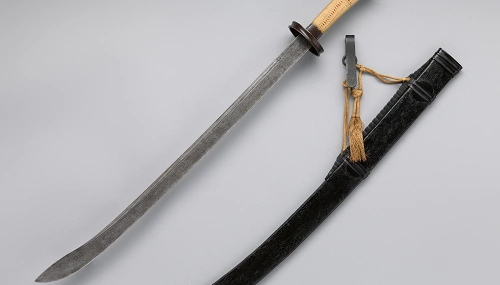
Owning a Sword or Sable Is Legal in California
California state law does not ban private ownership of swords, whether they are historical replicas, decorative sabers, katanas, fencing blades, or full-sized battle swords. A sword kept at home for display, collection, training, or ceremonial purposes is fully lawful. Swords do not appear on California’s list of “generally prohibited weapons,” which includes items like metal knuckles, ballistic knives, and short-barreled shotguns. As long as the weapon is openly a sword and not disguised as something else, its mere possession is not a crime. For collectors, reenactors, martial artists, and cosplayers, lawful ownership is protected under California law.
Carrying and Transporting Swords in Public
Even though ownership is legal, swords are regulated once taken into public. A sheathed sword openly carried in a public place might not violate a statewide rule by itself, but it can trigger police intervention because it is still a deadly weapon. Many cities and counties restrict public carry of large blades through local ordinances. Driving with a sword thrown loosely in a vehicle or walking down a street with a visible blade—even for innocent reasons such as a costume event—may lead to police questioning or charges if it appears threatening. For lawful transport, swords should be stored securely, covered, and ideally placed in a case or bag to avoid raising alarm. The safest approach is to treat them like firearms during transport, even though they are not legally classified as such.
Disguised or Concealed Swords Are Illegal
While a normal saber or katana is legal to own, California bans disguised blades. Cane swords, umbrella swords, or any hidden sword embedded inside an everyday object are illegal under Penal Code § 20510. These weapons may not be manufactured, sold, imported, or possessed in the state. The law targets concealment, not the blade itself. The same sword that is lawful when openly obvious becomes illegal when hidden inside a cane or walking stick. The state’s logic is simple: the weapon becomes deceptive, making it more dangerous in public.
Swords at Schools, Public Buildings, and Events
California prohibits bringing swords to certain places regardless of intent. Schools, courthouses, government buildings, and many public venues restrict all weapons, including swords. Even if someone is attending a performance, class, or demonstration, they may need written permission from administrators or security to bring a sword. Failure to comply can result in confiscation or criminal charges. For events such as parades, reenactments, theater productions, or cosplay conventions, actors and participants must often obtain permits or follow event policies to carry real blades—many venues require dull or prop substitutes.
Conclusion
Swords and sabers are legal to own in California, but how and where they are carried determines whether possession remains lawful. Inside private spaces, owning or displaying a sword is perfectly legal. Once in public, it becomes a controlled weapon subject to local rules, restrictions on concealment, and prohibitions in sensitive areas. Disguised swords are always banned. In California, a sword is a lawful object in the home, a regulated tool when transported, and a potential crime if carried irresponsibly. The right to collect or carry a blade exists, but it must be exercised with caution and respect for public safety laws.