Yes, vaping is legal in California, but the legality comes with strict rules on age limits, flavored products, where you can vape, and how vape devices are sold. Many people mistake “legal to own” for “legal to buy anywhere” or “legal to use anytime,” and that’s where most problems arise. California treats vaping like tobacco: the state allows adults to purchase and possess vape products, yet heavily restricts how they are sold and where they are used. These regulations are driven by health concerns, especially youth addiction, and wildfire rules that limit smoking and vaping in certain outdoor areas. So, while you can legally vape, you must follow some of the toughest restrictions in the country.
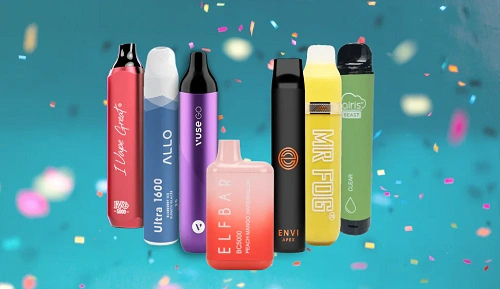
Who Can Legally Vape in California?
California law allows adults 21 and older to purchase and use vape products, whether they contain nicotine, CBD, or cannabis. It does not matter if the vape is disposable, refillable, or cartridge-based; the legal age is the same as cigarettes and alcohol. Retailers must verify age at sale, and online sales require adult signature upon delivery. Anyone under 21 caught purchasing or using vapes can face civil penalties, and stores caught selling to minors risk license suspension and fines.
Flavored Vape Ban in California
One of the biggest legal changes in California vaping came from the statewide flavored tobacco ban, which applies to flavored nicotine vapes. The law prohibits the sale of flavored vape products in retail stores, including menthol. It does not ban possession, so adults can legally own flavored vapes, but stores cannot legally sell them. Some sellers try to bypass the law by claiming a product is “synthetic nicotine” or “zero nicotine,” but regulators treat many of these as tobacco products when they are marketed for vaping use.
This means adults often obtain flavored vapes through online sellers, tribal lands, or out-of-state vendors, but California still restricts their sale within state borders. Purchasing them is not a crime; selling them within California is.
Where You Can Vape—and Where You Can’t
California regulates vaping almost identically to smoking. Even if a vape doesn’t produce smoke, the law treats vapor as restricted. You cannot legally vape in:
- Indoor workplaces
- Restaurants and bars
- Schools and school zones
- Hospitals and clinics
- Public transportation
- State parks and many beaches
- Government buildings
- Stores and malls
Cities are allowed to pass even stricter ordinances, and many do. Some ban vaping in public parks or near apartment buildings. In apartments or multi-unit housing, landlords can legally ban vaping indoors just like smoking. Violating these rules can lead to fines and property penalties, not just a warning.
Are Cannabis Vapes Treated Differently?
California allows adults 21+ to use cannabis vapes as long as the product is purchased from a licensed dispensary. However, using them in public is illegal, just like smoking cannabis. It is also illegal to:
- Vape marijuana while driving
- Vape marijuana as a passenger in a vehicle
- Possess open cannabis vape packaging in a vehicle (similar to open container rules)
Cannabis vapes also face testing and packaging laws that do not apply to nicotine products. Only state-licensed dispensaries can sell THC cartridges, and unregulated THC vapes are subject to criminal penalties due to safety concerns and illegal drug manufacturing.
Online Vape Purchases and Delivery Rules
California allows online vape sales, but they must follow strict requirements:
- Age verification
- Adult signature at delivery
- Shipment from licensed sellers
- State excise and sales tax compliance
Packages can be confiscated if they violate labeling or taxation laws, and illegal sellers face large fines. Customers rarely face penalties for receiving vape products, but sellers do.
Are Disposable Vapes Legal?
Disposable vapes are legal to own and use, but they must comply with the flavor ban and age laws. Illegal flavored disposables frequently show up in vape shops even though they are banned for sale in California. If a store is caught selling them, it risks fines, seizure of inventory, and loss of licensing. Adults buying disposables aren’t breaking the law; retailers selling them often are.
Conclusion
Vaping is legal in California for adults 21 and older, yet ownership is only part of the law. The state heavily restricts flavored products, bans vaping in most public spaces, regulates online sales, and prohibits cannabis vaping in public or vehicles. The key takeaway is simple: vaping itself is legal, but selling, buying, and using vape products without following the state’s rules can quickly become illegal. In California, vaping is allowed—just not on your own terms.