Yes, wolf dogs are legal in California, but only under very specific conditions. Many people assume wolf hybrids are banned entirely because of their wild ancestry. Others believe that any dog with even a small amount of wolf DNA is illegal. The truth sits in the middle. California allows ownership of wolf dogs only if they are no more than one generation removed from a domestic dog, meaning they must be F3, F4, F5, or later. These later-generation hybrids are treated as domestic animals. But early-generation wolf dogs — the ones closest to pure wolves remain illegal to own privately. Understanding where the line is drawn is the key to staying within California law.
California Does Not Allow Ownership of High-Content Wolf Dogs
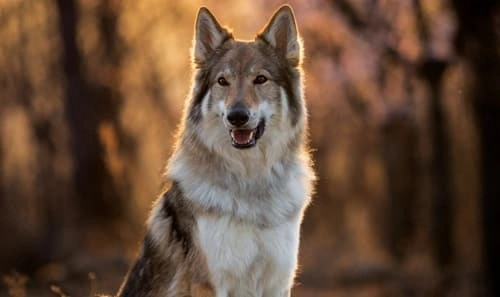
The state bans wolf hybrids that are too closely related to actual wolves. Any animal considered F1 (one generation removed), F2 (two generations removed), or even sometimes F3 (depending on lineage clarity) is treated as restricted wildlife. These early-generation wolf dogs behave more like wolves than domestic dogs, making them unpredictable, strong, and often unmanageable in a home environment. California’s wildlife laws do not permit private citizens to own animals with such a high percentage of wolf DNA. These hybrids are viewed as potentially dangerous and ecologically risky if they escape.
Later-Generation Wolf Dogs Are Treated as Domestic Dogs
Wolf dogs become legal once they fall far enough from pure wolf ancestry. In practice, California generally recognizes F4 and later generations as domestic animals because their wolf traits are diluted and their behavior resembles typical dog breeds. These animals may be kept as pets without a special wildlife permit. They must still follow all regular dog-ownership laws, including licensing, vaccinations, and local animal-control rules. The key requirement is proof that the hybrid is far enough removed from wolf lineage.
Documentation Matters When Owning a Wolf Dog
Because wolf dogs exist on a spectrum, owners must be able to show documentation proving the hybrid is a legal generation. Reputable breeders provide lineage records showing how many generations removed the dog is from its wolf ancestor. Without documentation, authorities may classify the animal as an illegal hybrid. This is why responsible breeders emphasize clear records and avoid accidental or poorly tracked pairings. In California, having the correct paperwork can determine whether your animal is considered a legal dog or an illegal wild hybrid.
Why High-Content Wolf Dogs Are Restricted
California restricts early-generation wolf dogs because of safety concerns and environmental risks. These animals can be territorial and unpredictable. They often require specialized enclosures, social structures, and diets that are not suitable for typical households. If they escape, they could threaten livestock or native wildlife. The state aims to prevent dangerous situations and avoid ecological damage by banning hybrids that behave too much like wolves. The restrictions are about public safety, not punishing owners.
Local Rules May Add More Requirements
Even if a wolf dog is legal under state rules, local city or county laws may add extra regulations. Some areas require special fencing, registration, or containment standards for hybrid dogs. Others restrict ownership based on breed-related policies. Wolf dogs often fall into the same category as strong working or guardian breeds, meaning owners should check local ordinances before bringing one home. A wolf dog that is legal statewide may still be restricted locally.
Why Wolf Dogs Often Get Misunderstood
Wolf dogs are frequently misrepresented online. Some people advertise dogs as “wolf hybrids” when they contain little or no wolf DNA. Others assume a dog looks like a wolf simply because of its coat or build. California’s laws do not rely on appearance — they rely on lineage. This is why responsible breeders and accurate records matter so much. The law is not trying to discourage ownership of northern-type dog breeds; it is trying to prevent ownership of true high-content hybrids.
Conclusion
Wolf dogs are legal in California only if they are far enough removed from wolves to be considered domestic. Later-generation hybrids such as F4, F5, and beyond may be owned without special permits. Early-generation wolf dogs — F1 through F3 — remain illegal because California treats them as restricted wildlife. Proper documentation is essential, and local rules may add more requirements. California’s approach balances safety with personal ownership: legal hybrids may be kept as pets, while true high-content wolf dogs are not allowed.