Yes, concealed carry is legal in California, but only for residents who have a valid Concealed Carry Weapon (CCW) permit and who follow strict rules regarding where they can carry and what types of handguns are allowed. Many assume California bans concealed firearms altogether because the state has some of the toughest gun regulations in the country. In reality, the law allows licensed concealed carry, though the process is heavily regulated. Recent court decisions have changed how permits are issued and where they can legally be used, making 2025 a year of significant legal uncertainty for gun owners. So while CCW is lawful, it is tightly controlled and constantly affected by ongoing lawsuits.
How Concealed Carry Permits Work
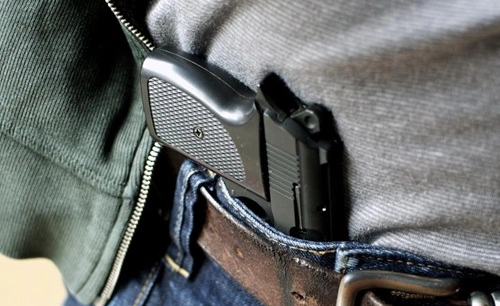
California CCWs are issued locally by sheriffs and police chiefs and require background checks, training, and legal eligibility. Since the U.S. Supreme Court’s 2022 ruling (Bruen), California cannot demand “good cause” statements showing a special need for self-defense. Applicants must still complete state-approved training, meet objective eligibility standards, and remain legally able to own firearms. Permits are valid for a limited period (generally two years), and renewal requires new training and updated background checks. Carrying any gun not listed on the permit is unlawful, even if the carrier has a valid CCW.
Required Training and Responsibilities
Permit holders must complete live-fire qualification, safe-handling training, and instruction in firearm transport and storage. Any stolen or missing firearm must be reported promptly. Permit holders must secure their firearm when not carried and must update their issuing authority if they move, change employment information (if applicable), or modify their listed firearm.
2025 Update: “Sensitive Places” Rules Are Changing
California’s SB 2 attempted to ban concealed carry in a long list of “sensitive places.” That law is now partially blocked due to ongoing lawsuits (May v. Bonta, related cases), and the rules are split into two categories:
Enforced Prohibited Locations (You CANNOT Carry Here)
As of early 2025, you are legally barred from carrying a concealed firearm in:
- K–12 schools, colleges, and universities
- Government buildings and courthouses
- Jails, prisons, and detention facilities
- Airports and passenger terminals
- Bars and restaurants that serve alcohol
- Playgrounds and youth centers
- Parks, athletic facilities, and state parks
- Casinos and gambling establishments
- Public libraries, museums, and zoos
Locations Under Court Injunction (You CAN Carry Here—for now)
These SB 2 restrictions are blocked pending litigation, meaning CCW holders may currently carry here unless signs prohibit it:
- Hospitals and medical facilities
- Public transit (buses, trains, stations)
- Places of worship
- Public gatherings requiring permits
- Financial institutions (banks)
- Private businesses open to the public (unless posted otherwise)
This list may change rapidly as courts continue to rule, so CCW holders must check updates regularly to avoid criminal liability.
Penalties for Violating CCW Laws
Carrying concealed without a permit or entering a legally prohibited location with a firearm can result in misdemeanor or felony charges, fines, firearm confiscation, loss of permit, and even permanent loss of gun-ownership rights. Claiming ignorance of a prohibited location is not a legal defense.
Conclusion
In California, concealed carry is legal only for those who obtain a CCW and follow strict limits on where they may carry. The state continues enforcing many “sensitive place” bans, while others are currently blocked by federal court injunctions. Because these rules may change at any moment, lawful carriers must stay vigilant and informed. Concealed carry remains possible in California but only for those who follow the evolving law with precision and caution.