Yes, collecting rainwater is legal in California, but only when done in specific ways that follow the state’s water-rights system. Many Californians are surprised to learn this. For decades, rumors circulated that rainwater harvesting was banned, or that only farmers with special permits could store it. Others assume that because California struggles with drought, the state now allows rainwater collection without any rules. The truth is more balanced. California absolutely allows rainwater harvesting, and the state even encourages it, but you must collect the right type of water, from the right places, and in a way that does not interfere with natural waterways. Whether it’s a backyard barrel or a large rooftop system, legality depends on where the water falls and how it’s captured.
Why Rainwater Collection Is Legal Today
California officially legalized rooftop rainwater harvesting in 2012 with the Rainwater Capture Act (AB 1750). This law was designed to support conservation efforts and reduce pressure on state water systems. Under this act, property owners may collect rainwater that falls directly onto their roof and store it for non-potable uses. By 2026, the state actively promotes rainwater harvesting for sustainability, erosion control, and lower demand on municipal water supplies. Cities and counties often offer rebates for rain barrels and cistern systems because capturing rooftop runoff helps stormwater management and reduces urban flooding.
Despite this supportive stance, the state has not abandoned its traditional water-rights system. California water law is one of the most complex in the nation, and some types of water—especially natural streams and runoff—remain protected. The legality depends entirely on where you collect.
What Type of Rainwater You Can Legally Collect
California divides “rainwater” into two categories:
1. Rooftop Rainwater — Fully Legal
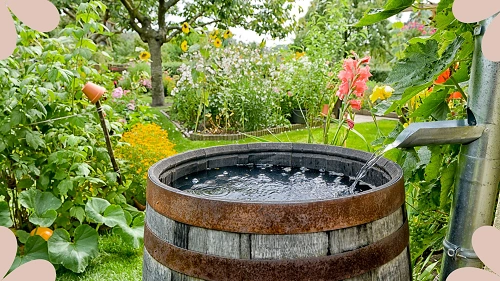
Rainwater falling directly onto your roof and flowing through gutters into barrels or tanks is fully permitted. This is the simplest and most homeowner-friendly method. No state permit is required for residential rooftop collection, as long as the water is used for:
- Outdoor gardening
- Landscaping
- Irrigation
- Cleaning or washing
- Other non-potable uses
Using rooftop-collected water for drinking is strongly discouraged unless the system is specifically designed, filtered, and approved for potable use.
2. Ground Runoff and Natural Streams — Restricted or Illegal
California’s water belongs to the people of the state, managed through a complex rights system. You cannotlegally divert, capture, or dam:
- Natural streams
- Creeks
- Gullies that carry seasonal flow
- Runoff that would otherwise flow into a public waterway
This type of water is considered part of California’s natural water system and cannot be privately stored without a permit. Doing so can violate water rights, even if it happens on your own property.
Why California Restricts Certain Water Capture
California’s water laws were built to protect its fragile ecosystem and allocate water among agricultural, municipal, tribal, and environmental needs. When someone diverts runoff or stream water, even accidentally, it can disrupt downstream ecosystems and reduce water available to other rights holders. This is why rooftop rainwater is encouraged, but watershed runoff is regulated. The distinction helps California balance private conservation efforts with environmental protection.
Do You Need a Permit to Collect Rainwater?
In most cases, no permit is required as long as you’re collecting rooftop rainwater through a simple rain barrel or cistern. Larger systems—especially those used for commercial, industrial, or agricultural operations—may need local permits for:
- Installation
- Backflow prevention
- Stormwater management compliance
- Structural support for large cisterns
Some counties require inspection for plumbing connections to ensure no cross-contamination with drinking-water lines.
Is Rainwater Safe to Use?
Rainwater is generally safe for non-potable uses such as gardening, but it must be treated if used for drinking. Rooftop material, bird droppings, windborne pollutants, and bacteria can contaminate collected water. California recommends filtration, UV treatment, or purification before any human consumption.
Encouragement From the State for Conservation
California water agencies continue promoting residential rainwater capture through rebates and educational programs. Many cities—including Los Angeles, San Diego, and San Francisco—offer incentives for installing:
- Rain barrels
- Cisterns
- Permeable landscaping
- Greywater systems
These programs support drought resilience while helping homeowners cut water bills.
Conclusion
Rainwater collection is legal in California, and the state enthusiastically supports rooftop harvesting as part of its long-term water conservation strategy. What remains illegal is diverting or storing natural streams or ground runoff without proper authorization. When done correctly, collecting rainwater is a legal, environmentally friendly, and increasingly common practice in California. It’s a simple way for homeowners to conserve water and contribute to the state’s broader sustainability goals—just make sure the water you’re collecting comes from your roof, not a natural watershed.