No you cannot legally record a confidential conversation in California without everyone’s permission, even though many people believe being part of the conversation gives automatic rights. California’s strict privacy laws decide when a recording is lawful and when it crosses into illegal territory, and a simple mistake can turn an ordinary interaction into a criminal issue.
Recording a conversation in California isn’t as straightforward as many people think. Some assume that as long as you’re part of the conversation, you can record freely. Others believe any recording is illegal unless everyone signs a paper. The truth sits in between. California has one of the strictest privacy laws in the country, and the rules depend on what kind of conversation it is, where it takes place, and whether people expect privacy. Many recordings that seem harmless can still break the law, while other situations allow recording even without permission. Understanding the difference matters, because violating California’s recording law can lead to serious penalties.
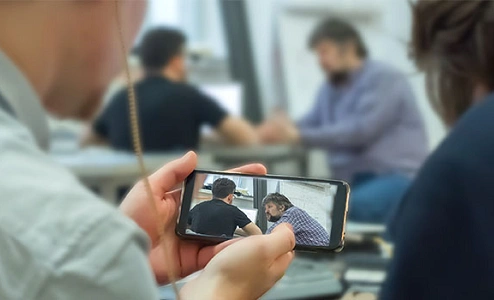
California Is a Two-Party Consent State
California has been a two-party (or all-party) consent state for decades, and that rule remains intact in 2026. This means you cannot legally record a confidential conversation unless everyone involved knows about the recording and agrees to it. A confidential conversation is any situation where a person reasonably believes no one else is listening and that the conversation is private. Phone calls, video calls, in-person discussions in homes, cars, offices, stores, or any non-public space usually fall under this category.
Some people think that simply being in the conversation gives you automatic permission. It does not. California’s Penal Code §632 requires consent from every participant. If even one person does not know they’re being recorded, the recording becomes illegal.
When Recording Is Allowed Without Consent
California only allows secret recording in a few specific situations. If the conversation happens in a public place where people have no reasonable expectation of privacy, recording is usually legal. This includes parks, crowded streets, loud restaurants, public events, government buildings open to the public, and places where people know others can overhear them. In these situations, the law does not consider the conversation “confidential,” even if the topic is sensitive.
Other lawful exceptions come from safety concerns. If someone is recording a crime, harassment, or threats that occur openly, those recordings may be allowed, especially if the situation is dangerous and there is no reasonable expectation of privacy. These exceptions are narrow, and courts examine them carefully, but they do exist.
When Recording Becomes Illegal
Recording becomes illegal the moment a confidential conversation is captured without permission. This includes secretly recording a phone call with a family member, recording a meeting at work without telling coworkers, recording an argument inside a home, or recording any conversation where the other person believes the setting is private. The same rule applies to hidden cameras with audio. Even if video is legal, adding audio without consent can violate the law.
California treats illegal recording seriously. Penalties may include criminal charges, fines, and lawsuits. A person who is recorded without consent can sue for damages, and courts can award thousands of dollars per violation. Businesses face even larger risks, especially with customer service calls. This is why companies announce, “This call may be recorded,” before continuing. Without that notice, the recording would violate California’s consent law.
Special Rules for Phone and Video Calls
Phone calls and online calls fall under the same all-party consent rule. If you are in California and the other person is in another state, California law still applies to you. If the other state only requires one-party consent, the laws conflict. In these situations, courts generally follow the stricter rule, which means California’s two-party consent standard typically controls. For anyone calling from within the state, the safest and most legal option is always to tell the other person you are recording.
Conclusion
Recording a conversation in California is legal only when everyone involved knows about it and agrees. The state’s two-party consent law protects privacy in nearly all private settings, from homes to workplaces to phone calls. The only safe exceptions apply to public places where no one expects privacy. Violating these rules can bring real legal trouble, even if the recording seems harmless. California’s approach focuses on personal privacy and transparency, and the law expects anyone recording conversations to follow that standard. Understanding when a conversation is private—and getting clear permission—makes the difference between a lawful recording and an illegal one.