Yes, mutual combat is recognized under California law, but that does not mean it is legal to fight in public or that two people can simply “agree to a fight” without consequences. Many people misunderstand the concept because of viral videos, urban myths, and misquoted statutes. Mutual combat is not a license to brawl; it is a narrow legal doctrine used by courts when deciding whether someone can claim self-defense after willingly engaging in a fight. California law recognizes that two people can mutually agree to physical conflict, but both can still be arrested and prosecuted. The doctrine shapes liability it does not legalize street fighting.
What Mutual Combat Means Under California Law
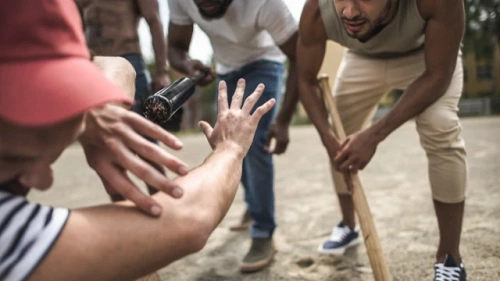
Mutual combat is tied to California Penal Code § 415 and judicial interpretation, especially in People v. Ross. Under this doctrine, two people must knowingly and voluntarily agree to fight, meaning there is clear, mutual consent. Mutual combat is not spontaneous. It requires some form of agreement—verbal, implied, or formal. Courts look for behavior showing that each participant understood the risk: agreement to meet for a fight, preparation, or accepting a challenge. The key point is intent. If both parties clearly chose to fight, they share blame for the violence, regardless of who threw the first punch.
Mutual Combat and the Limits of Self-Defense
California law sharply limits self-defense in mutual combat situations. A person who voluntarily enters a fight cannot claim self-defense unless they:
- Attempt to stop fighting, and
- Clearly communicate withdrawal, and
- Are then attacked despite withdrawing.
Only after withdrawing in good faith can a person use reasonable force to protect themselves. If both fighters continue willingly, neither can claim full self-defense. In this way, mutual combat operates more as a restriction than a permission. It narrows self-defense claims by removing protection for someone who willingly engages in violence.
Mutual Combat Does Not Make Fighting Legal
Even when both parties consent, fighting in most places is still a crime. Police can charge both participants with disturbing the peace, assault, or battery. If injuries are serious, charges escalate to aggravated battery or assault with force likely to cause great bodily injury. If weapons are involved, even improvised ones like bottles or rocks, felony charges become likely. Consent does not legalize physical violence in public. The state views mutual combat as contributing to disruption, danger, and potential escalation. Therefore, the government still has authority to arrest both participants.
The Importance of Location
Where the fight takes place matters. A fight in a bar, parking lot, sidewalk, school, or store almost always leads to arrest because it disturbs the peace and endangers bystanders. On private property, mutual combat might still occur, but if neighbors call the police or someone is injured, charges are likely. Consent does not override public-safety laws. Even on private land, if participants lack permission from the owner or the location is open to the public, fighting can still lead to prosecution. California distinguishes permission to fight from permission to break the law.
Civil Liability Still Applies
Even if two adults consent to fight, one can still sue the other in civil court. Consent does not eliminate financial liability for medical bills, lost income, or long-term injuries. If a person uses excessive force, such as continuing to attack after the opponent stops fighting, civil liability increases. Health insurance does not cover intentional harm, and liability policies often exclude criminal conduct. As a result, anyone involved in mutual combat risks being sued personally, and the cost can be far greater than any criminal fine.
How Mutual Combat Differs from Regulated Fighting
Organized fights—such as boxing matches or martial arts sparring—are legal only because they occur under strict rules, waivers, medical oversight, and supervision. Those settings use written contracts and safety protocols. A sidewalk fight lacks all regulation, exposes both parties to criminal penalties, and creates serious public-health risks. California sees regulated fighting as athletic competition; it sees street fighting as a crime. Mutual combat applies to the latter only to determine blame—not to legalize violence.
Conclusion
In California, mutual combat is not a lawful excuse for street fighting. It is a legal doctrine that affects self-defense claims and shared responsibility after a voluntary fight. Two people cannot lawfully consent to break the peace or injure one another in public. Even if both fighters agree, police can arrest them, prosecutors can charge them, and civil courts can hold them financially liable. Mutual combat is a rule of liability, not a permission slip to fight.