Yes, Salvia divinorum is legal for adults in California, though many people assume it’s banned like other hallucinogens. The state does not classify it as a controlled substance, but it restricts sales to minors and enforces public-safety rules. Adults can possess and use it privately, but sellers must follow age restrictions.
Salvia divinorum sits in a strange corner of California law. Some people believe it’s completely banned like other hallucinogens. Others think it’s sold freely everywhere without restrictions. The truth falls somewhere in the middle. California does not classify Salvia divinorum as a controlled substance, which sets it apart from drugs like LSD or psilocybin. At the same time, the state has placed clear limits on how it can be sold and who can buy it. Possession for adults remains legal, but selling it to minors is a criminal offense. That mix of legality and restriction makes Salvia one of the more unusual substances in California’s drug laws.
California’s Legal Status of Salvia divinorum
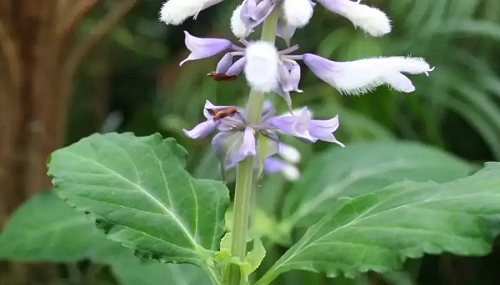
In 2025, California still allows adults to possess, grow, and use Salvia divinorum for personal reasons. The plant itself is not scheduled under state or federal controlled-substance lists. Adults can keep it at home, use it privately, or grow it for non-commercial personal use. California has not moved to criminalize adult possession, even though other states have taken a stricter path.
The key limitation came from a law passed years ago aimed at keeping Salvia out of the hands of teenagers. Under California law, selling or furnishing Salvia divinorum to anyone under eighteen is illegal. The state treats it similarly to age-restricted products like tobacco in that narrow sense. Stores must check ID, and anyone who knowingly gives it to a minor can be charged. This rule does not criminalize adult possession, but it puts responsibility on sellers and distributors.
What Adults Can and Cannot Do
Adults in California can legally buy Salvia, possess it, use it privately, and cultivate the plant for their own use. The law does not require permits, medical cards, or special licensing for personal possession. A person can keep dried leaves, extracts, or live plants. The rules only tighten when commerce is involved. Selling Salvia to minors is the only clear offense, and the state places the burden on the seller, not the buyer.
Public use, however, can still bring problems. Even though Salvia itself isn’t banned, using any hallucinogenic substance in public may lead to disorderly conduct or other charges if it affects behavior or safety. California’s laws focus heavily on public safety, so intoxication in public spaces can still be handled by police even if the substance is technically legal.
Where People Run Into Legal Trouble
Most legal issues with Salvia come from misunderstandings. Some people assume they can sell it casually without checking age, and that’s where the state steps in. Selling to a minor is a misdemeanor. Giving it away to a minor is treated the same way. Because the law focuses on protecting minors, a business or individual who doesn’t check age can face charges even if the sale seemed harmless.
Another problem arises when someone uses Salvia while driving or tries to operate machinery afterward. California treats impaired driving seriously, no matter what the substance is. If an officer believes a driver is impaired because of Salvia or anything else, the person can still be charged with DUI. The law cares about impairment, not the substance’s legal status.
California’s Approach to Salvia divinorum
California takes a more balanced approach than many states. Instead of banning Salvia outright, the state chose to regulate access for minors while allowing adults to make their own decisions. The belief behind the law is that adults should have freedom over personal substances as long as public safety isn’t compromised. This is why California hasn’t pushed to classify Salvia as a controlled drug or restrict adult possession.
Conclusion
Salvia divinorum is legal for adults in California, but the state draws a clear line when minors are involved. Adults can possess, use, and grow it without breaking the law, and the plant remains unscheduled in the state. The only direct restriction is the ban on selling or providing Salvia to people under eighteen. Most legal trouble happens when sellers ignore age rules or when someone uses the substance in situations that threaten public safety. California’s approach keeps adult possession legal while protecting minors and maintaining order in public spaces.