California knife laws do not set one universal size limit for every knife. Instead, the legality depends on the type of knife and whether it is concealed or openly carried. Many Californians believe there is a “3-inch rule” or a simple maximum length, but that is a myth. California law focuses on whether the knife can be concealed, how it opens, and whether it is defined as a dangerous or prohibited weapon. Blade size only matters for certain categories, especially switchblades, while most everyday folding knives remain legal regardless of length as long as they stay folded when carried.
Folding Knives and Pocketknives
The most common knives—standard folding pocketknives—are legal to carry in California as long as they are carried in the folded position. There is no blade length limit for a legal folding knife carried closed. This includes pocketknives, multitools, assisted openers, and non-automatic folders. Once the blade is locked open, the knife may be openly carried, but it cannot be concealed in a misleading way or carried with intent to use illegally. California law allows these knives to be used as tools, not weapons.
Switchblades and Automatic Knives
Switchblades face a strict size rule. Any knife that opens automatically using a button, spring, or flick motion becomes illegal if the blade is two inches or longer. In 2025, it remains unlawful to carry, buy, sell, loan, or possess switchblades over that two-inch limit—even at home. Anything under two inches may be legal to own, but larger switchblades are prohibited regardless of the location or circumstances. This two-inch rule often surprises collectors who assume they can keep such knives in private.
Fixed Blade Knives (Sheathed Knives)
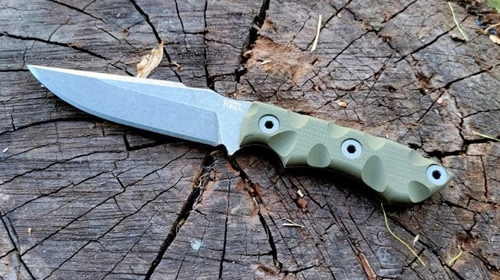
Fixed blade knives—such as kitchen knives, hunting knives, and daggers—can legally be carried only if they are worn openly. California allows any length of fixed blade knife to be carried as long as it is visible and secured in a sheath worn on the belt. Concealing a fixed blade is a crime, even if the blade is small. Carrying a hidden kitchen knife, a hidden hunting knife, or any concealed blade designed for stabbing can lead to arrest. Unlike pocketknives, fixed blades cannot be carried concealed under clothing or in a bag.
Butterfly (Balisong) Knives
Butterfly knives are treated as switchblades in California if the blade is two inches or more, because they open using wrist action or inertia. That makes most butterfly knives illegal. Only tiny versions under two inches escape the prohibition, and even those must follow concealment and location rules. Because most commercial butterfly knives exceed two inches, many Californians unknowingly violate the law by owning them.
Other Restrictions Based on Location
Even legal knives can become illegal depending on where you carry them. California prohibits knives in certain places, including:
- Schools (K-12 campuses ban most knives, even small pocketknives)
- Public buildings with security screening
- Courthouses, federal property, airports, and some state facilities
Local ordinances may also restrict knives in parks, events, bars, or public gatherings, so knife owners need to be aware of city and county rules.
Conclusion
In California, there is no single legal blade size for all knives. Pocketknives of any length are allowed if kept folded, switchblades over two inches are illegal everywhere, and fixed blades must be worn openly in a sheath. Blade length matters only for limited categories like switchblades or butterfly knives, while concealment rules matter just as much as size. Understanding these distinctions helps Californians carry a knife legally as a tool, without risking criminal charges simply because of how the knife is opened, carried, or concealed.