Spotting a mountain lion in California feels shocking to many people. These powerful cats seem out of place in a state known for crowded highways, tech campuses, and sprawling suburbs. Yet mountain lions — also called cougars or pumas — have lived in California far longer than any city, freeway, or housing development.
Their presence isn’t accidental. Mountain lions exist in California because the landscape supports them, the ecosystem needs them, and state policies protect them. They are not invaders or recent arrivals. They are native predators that evolved alongside California’s forests, deserts, and mountains.
Understanding why they’re still here requires looking at history, biology, and how humans now share space with wildlife.
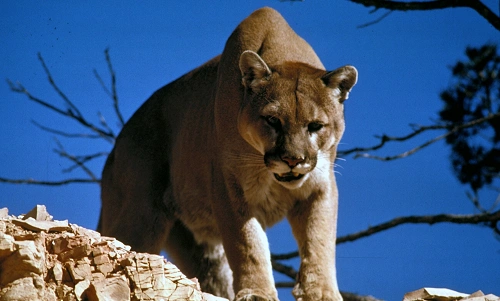
Mountain Lions Are Native to California
Long before European settlers arrived, mountain lions roamed nearly all of western North America. California provided ideal habitat: rugged terrain, dense cover, and abundant prey like deer.
Unlike wolves or grizzly bears — which were hunted out of California by the early 1900s — mountain lions survived because they are solitary, elusive, and adaptable. They avoid humans when possible and thrive in remote hills, forests, and canyons.
Today, California supports one of the largest mountain lion populations in the United States, with estimates ranging from 4,000 to 6,000 animals statewide.
They didn’t “move in.” They never left.
They Play a Critical Role in the Ecosystem
Mountain lions sit at the top of California’s food chain.
Their primary prey is deer. By hunting deer, lions help prevent overpopulation, which protects forests and grasslands from excessive grazing. Healthier vegetation reduces erosion, supports other wildlife, and even improves water retention in watersheds.
They also influence animal behavior. Deer avoid certain areas when lions are present, allowing plants to recover. This ripple effect — called a trophic cascade — shapes entire ecosystems.
Without mountain lions, deer numbers would explode, damaging habitats and increasing vehicle collisions and crop losses.
In simple terms: mountain lions keep nature balanced.
California Law Protects Them
In 1990, California voters passed Proposition 117, which classified mountain lions as a specially protected species. This made sport hunting illegal and placed strict limits on when lions can be killed.
The law reflects public values. Californians largely support wildlife conservation, even when it involves predators.
Lions may still be euthanized if they pose an immediate threat to human safety, but routine hunting is banned. This legal protection is a major reason mountain lions remain widespread across the state.
California’s Geography Favors Their Survival
The state’s diverse terrain gives mountain lions room to hide and hunt.
From the Sierra Nevada to coastal ranges, from deserts to oak woodlands, California offers vast stretches of rugged land that humans don’t fully occupy. Even near major cities, lions survive in fragmented green corridors and parklands.
These cats can travel dozens of miles in search of territory, crossing freeways and navigating urban edges to reach suitable habitat.
Few states combine this much wild land with such a mild climate, making California uniquely suitable for large predators.
Human Development Has Increased Encounters
Mountain lions aren’t becoming aggressive — people are moving deeper into lion territory.
As housing expands into hills and forests, encounters rise. Trails, backyards, and suburban streets increasingly overlap with hunting grounds.
Most lions avoid people. Attacks are extremely rare. But sightings feel alarming because they remind us that California still hosts true wilderness, even close to major cities.
Conservation Comes With Challenges
While protection has helped lions survive, it has also created new problems. Highways fragment habitats, isolating populations and reducing genetic diversity. Some lions suffer from inbreeding due to limited movement corridors.
Scientists now work on wildlife crossings and conservation corridors to keep populations healthy and prevent vehicle deaths.
Living alongside mountain lions requires planning, education, and respect — not panic.
The Bottom Line
Mountain lions exist in California because they belong here. They evolved here, regulate ecosystems here, and are legally protected here. The state’s geography and wildlife policies allow them to survive where similar predators disappeared elsewhere.
They aren’t symbols of danger. They’re signs of ecological resilience.
California still has mountain lions because, despite all the development, parts of the wild remain — and these quiet predators continue doing the job nature assigned them thousands of years ago.