If you live in California, you don’t need a weather app to know when the wind kicks up.
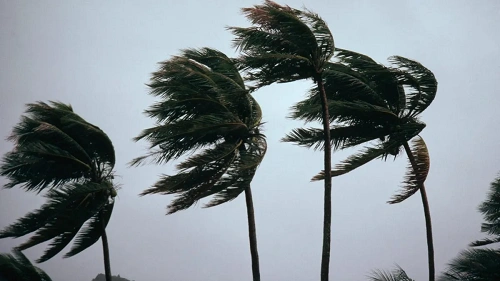
Trash cans tip over. Palm trees sway. Dust sweeps across highways. Coastal fog races inland. Some days feel calm and perfect — then suddenly, powerful gusts roar through valleys and cities like someone flipped a switch.
Actually California sits at the crossroads of oceans, deserts, mountains and pressure systems. That combination creates natural wind tunnels across the state. Add climate change and urban development, and those winds have become stronger and more frequent.
California isn’t just breezy.
It’s built to move air.
Let’s break down why.
The Pacific Ocean Constantly Pushes Cool Air Inland
California’s western edge borders the Pacific Ocean.
Cold ocean water cools coastal air, making it dense and heavy. Meanwhile, inland areas heat up quickly under strong sun. Hot air rises. Cool air rushes in to replace it.
That temperature difference creates steady onshore winds — especially in the afternoon.
This is why coastal cities feel breezy while inland valleys bake. It’s nature’s air-conditioning system, always trying to balance temperatures.
Mountains Create Giant Wind Funnels
California is packed with mountain ranges, including the Sierra Nevada and coastal hills that run almost the length of the state.
These mountains don’t block wind.
They channel it.
Air gets squeezed through passes and valleys, speeding up like water through a narrow pipe. Places such as Altamont Pass and Tehachapi Pass are famous for this — so famous they’re filled with wind turbines.
When air is forced through tight geography, it accelerates.
That’s basic physics.
Deserts Heat Up and Pull Air From Everywhere
Large desert regions east of California heat intensely during the day.
Hot desert air rises fast. Cooler coastal air rushes inland to replace it. This pressure difference acts like a vacuum, pulling wind across Southern and Central California.
Even if you live far from a desert, you still feel its effect.
Deserts act like giant heat engines powering statewide airflow.
Santa Ana and Diablo Winds Supercharge Gusts
California also experiences seasonal wind systems that can be extreme.
In Southern California, the Santa Ana winds blow from inland deserts toward the coast. In Northern California, similar dry winds are called Diablo winds.
These winds form when high pressure builds inland and low pressure sits near the coast. Air rushes downhill, compresses, heats up, and dries out.
Instead of cooling things, these winds arrive hot and fast — sometimes exceeding 60 mph.
They’re notorious for fueling wildfires and turning small sparks into disasters.
California’s Valleys Trap and Release Air
The Central Valley and other inland basins heat during the day and cool at night.
That daily temperature swing creates constant movement of air in and out of valleys. Warm air rises in the afternoon. Cooler air drains downhill overnight.
This push-and-pull happens every day, quietly powering regional wind patterns.
It’s why nights can feel breezy even after hot afternoons.
High-Pressure Systems Create Windy Episodes
When large high-pressure systems park over the western U.S., air sinks and spreads outward.
That outward flow accelerates winds across California, especially when pressure differences sharpen between inland areas and the coast.
These systems are responsible for many multi-day wind events that feel relentless.
Climate Change Is Making Winds More Intense
California has always been windy.
But climate change is amplifying temperature differences between land and sea, deserts and coastlines. Bigger temperature gaps mean stronger pressure gradients — and stronger winds.
Warmer air rises faster. Drier landscapes heat more quickly. Storm patterns shift.
All of that adds energy to wind systems.
Cities Make Wind Feel Worse
Urban development doesn’t create wind, but it magnifies it.
Tall buildings channel gusts into streets. Freeways act like air corridors. Vast paved surfaces heat up faster than natural land, increasing local pressure differences.
So even moderate regional winds feel aggressive once they hit dense metro areas like Los Angeles or San Francisco.
The Bottom Line
California is windy because cold ocean air collides with hot deserts, mountains funnel moving air, valleys breathe daily, seasonal winds accelerate downhill, and climate change sharpens every pressure difference.
It’s not random.
It’s geography doing what geography does.
California sits between water and wilderness, heat and cold, mountains and plains. That tension keeps air moving almost nonstop.
Wind here isn’t a weather quirk.
It’s part of the state’s natural rhythm.