Hedgehogs may look like adorable pocket pets, but California does not allow residents to keep them. Many new owners are shocked to learn the ban still exists because hedgehogs are legal in most U.S. states, sold online, and bred widely across the country. In California, however, hedgehogs are classified as a restricted wildlife species not as domesticated pets meaning that owning, selling, transporting, breeding, or even giving one away is unlawful without a very limited research or exhibition permit. The law focuses less on how cute the animal is and more on how it might impact the environment if released or escaped. So, hedgehogs remain illegal as household pets in California, even if they are common elsewhere.
Why Hedgehogs Are Illegal in California
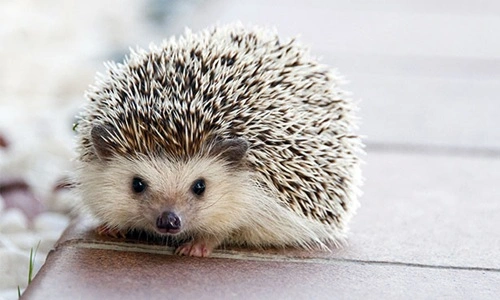
California bans hedgehogs primarily for ecological and health reasons. The state’s wildlife regulators treat exotic small mammals according to whether they can survive in local climates, reproduce without human care, and potentially harm native species or agriculture. Hedgehogs, especially African pygmy hedgehogs, may be able to survive in warmer regions of California and reproduce quickly in the wild. If they escaped or were intentionally released, they could affect native insects, small reptiles, and ground-nesting animals. The state also considers the risk of zoonotic diseases, such as salmonella, which hedgehogs can carry without symptoms. To avoid ecological impact and public health problems, the state restricts them rather than allowing broad pet ownership.
What Happens If Someone Owns One
Because hedgehogs are restricted wildlife, possession alone can lead to fines, animal seizure, and possible misdemeanor charges. Even if a person bought a hedgehog in another state and brought it home, California law still applies. Wildlife officers are not required to prove harmful intent—keeping the animal itself violates the regulation. Many cases begin accidentally, such as when an illegal pet is shown at a school or vet clinic, or spotted on social media. Owners often lose the animal to seizure or are forced to surrender it to wildlife authorities, because the state does not allow personal permits for rescue or relocation.
How the Hedgehog Ban Compares to Other Pets
California’s exotic-animal laws often surprise people because they are stricter than most states, but they follow a consistent logic. The state bans certain small exotic pets not because they are dangerous, but because they could undermine ecological balance. This is why some animals are allowed while others are not:
- Legal:Chinchillas, domesticated hamsters, guinea pigs, and rabbits
- Illegal:Hedgehogs, most rodents not bred domestically in the U.S., gerbils, and ferrets
- Conditionally Restricted:Certain reptiles, amphibians, and animals that require permits
Hedgehogs fall into the category of potentially invasive small mammals, along with gerbils and ferrets, even though they are not predators. The focus is on ecosystem protection, not perceived friendliness.
Will Hedgehogs Ever Become Legal?
There have been periodic efforts from exotic-pet advocates to legalize hedgehogs, but none have passed. Wildlife regulators remain firm about ecological risk, and lawmakers show little interest in changing the rule because the issue affects a niche population compared to other animal policy debates. Unless scientific research changes the state’s view on hedgehog-related risk, the ban is unlikely to disappear soon. For now, anyone hoping to legally adopt a hedgehog would need to live in a state that allows them.
Conclusion
Hedgehogs are illegal to keep as pets in California. Even though they are legal across much of the country and widely sold online, California classifies them as restricted wildlife due to ecological and disease concerns. Possessing, breeding, transporting, or selling one can result in penalties and confiscation of the animal. The safest approach for California residents who love small exotic pets is to choose legal species such as chinchillas or hamsters rather than risking trouble with wildlife law.