No, jaywalking is not fully legal in California, but the law has changed to make safe crossing much less likely to be ticketed. Many people assume jaywalking was suddenly legalized because police are no longer stopping pedestrians as often, yet the statute never erased the rule against crossing outside a crosswalk. What changed is how it can be enforced. In 2023, California adopted the “Freedom to Walk Act,” limiting police stops to situations where a pedestrian’s crossing creates a real danger. That means you can cross mid-block or outside a marked crosswalk, but only when it’s safe and you’re not stepping into traffic. The state kept the rule on the books, reduced enforcement, and aimed to stop unfair pedestrian stops especially in communities that faced disproportionate policing. So jaywalking isn’t “legal,” but it’s rarely punished unless someone crosses recklessly.
What the New Law Allows?
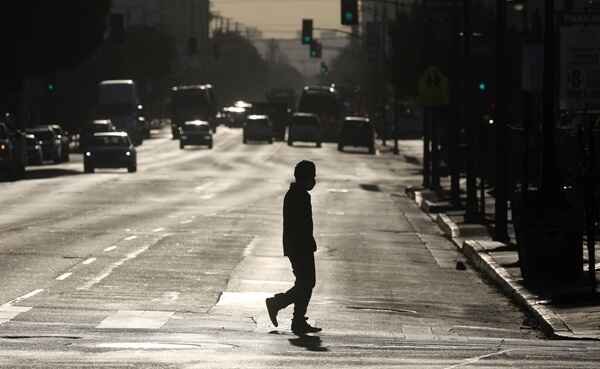
California’s updated rule says pedestrians may cross outside a marked crosswalk as long as they do not create an “immediate danger of a collision.” Under this standard, police cannot stop or ticket someone just for walking across the street at the wrong place. The key is safety. If a driver has enough time to stop or if no vehicles are approaching, a mid-block crossing is generally allowed without a citation. This shift doesn’t give pedestrians free reign; it simply means an officer must observe a genuine risk before issuing a ticket. Safe judgment now matters more than strict adherence to paint on the road.
What Still Counts as Illegal Jaywalking?
Even with reduced enforcement, several actions can still result in fines or legal issues. Crossing into traffic so that drivers must brake suddenly, running through lanes without looking, or walking into a blind spot where a driver cannot reasonably avoid you all remain illegal. The law is not meant to encourage risky behavior. Police can still intervene if your actions force a car to stop abruptly or if you put yourself or others in harm’s way. Just because officers cannot stop you for harmless technical violations does not mean reckless crossing is permitted.
Why California Changed the Law?
The Freedom to Walk Act wasn’t designed to make jaywalking glorified. It was created because jaywalking laws were often used to justify unnecessary stops that had nothing to do with traffic safety. Studies showed that pedestrians in minority communities were cited far more frequently, even when crossings were safe. Lawmakers responded by shifting the focus to actual danger rather than minor technical violations. The new approach is meant to prevent harmful police interactions, reduce excessive fines, and direct officers toward genuine safety risks instead of harmless behavior.
Will You Ever Get a Ticket Anymore?
Yes, tickets are still possible. If your crossing puts you or drivers in immediate danger, officers are allowed to cite you. The law specifically prevents police from ticketing safe pedestrians, not reckless ones. Some people misunderstand this change as a full legalization of jaywalking, but that would invite more accidents, not fewer. The state’s intent is simple: cross carefully, look for traffic, don’t force cars to slam brakes, and you’ll likely never face a citation.
Conclusion
Jaywalking is not fully legal in California, but safe crossing outside a crosswalk is no longer a ticket-worthy offense. The state still prohibits unsafe behavior, yet it now recognizes that common-sense walking shouldn’t be punished. You can legally cross mid-block or outside a signal if there’s no immediate hazard, but you can’t dart into traffic or create a dangerous situation. California kept jaywalking laws but redefined when they matter. The safest rule for pedestrians remains straightforward: look for vehicles, avoid risky moves, and cross only when there’s no danger. If you use good judgment, you can walk freely without worrying about a ticket.