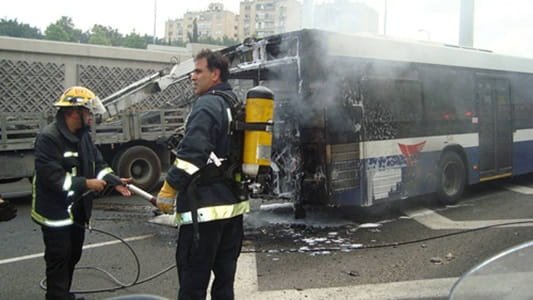
Bus accidents are not like typical car accidents. When a fully loaded city bus, school bus, or charter vehicle is involved in a collision, the consequences for passengers, pedestrians, and other drivers can be severe. The sheer size and weight of these vehicles means injuries are often serious — and the legal landscape surrounding bus accident claims is more complicated than most people realize.
How Bus Accident Lawyers Charge in California
Nearly all bus accident attorneys in California work on a contingency fee basis. You pay nothing upfront. No hourly bills, no retainer, no out-of-pocket legal costs to get representation started. The attorney only gets paid if they recover compensation for you.
Standard contingency fees for bus accident cases in California range from 33% to 40% of the total amount recovered. Key factors that influence the exact percentage include:
- When the case resolves — Pre-litigation settlements typically attract fees around 33%. Once a formal lawsuit is filed, fees commonly rise to 35% or higher.
- Complexity — Cases involving government-owned buses, multiple liable parties, or disputed liability require significantly more legal work.
- Trial involvement — Cases that go to jury trial often push the fee toward 40% to reflect the additional time and preparation required.
As a simple example: a $300,000 settlement at 33% means the attorney receives $99,000 and you take home $201,000 before expense deductions.
Case Expenses Beyond the Attorney Fee
Litigation costs are separate from the contingency percentage. Bus accident cases typically involve expenses such as:
- Accident reconstruction specialist fees
- Medical record retrieval and expert witness costs
- Bus maintenance and inspection records review
- Surveillance and dashcam footage acquisition
- Court filing fees and deposition costs
Most firms advance these costs on your behalf and recover them from the final settlement. Always confirm whether expenses are deducted before or after the attorney’s percentage is calculated — this affects your final payout meaningfully.
Why Bus Accident Cases Are Legally Complex
Bus accident claims in California involve layers of complexity that make experienced legal representation especially important.
Government entity involvement is one of the biggest complications. Many buses in California — city buses, public transit vehicles, and school buses — are operated by government agencies such as the Los Angeles Metropolitan Transportation Authority or local school districts. Claims against government entities require a government tort claim to be filed within six months of the accident — far shorter than the standard two-year personal injury deadline. Missing this window can permanently eliminate your right to compensation.
Common carrier liability is another important factor. In California, bus companies and public transit operators are classified as common carriers — meaning they are held to a higher standard of care toward passengers than ordinary drivers. This elevated duty can work in your favor when establishing negligence.
Multiple liable parties frequently complicate bus accident claims. Responsibility may fall on the bus driver, the transit agency, a vehicle manufacturer if mechanical failure was involved, another driver who caused the collision, or a government body responsible for road maintenance. Identifying every liable party is essential to maximizing your recovery.
Large institutional defendants — whether a government transit authority or a private charter company — have experienced legal and insurance teams working immediately to limit their exposure. Going up against them without representation puts injured victims at a serious disadvantage.
What Compensation Can Be Recovered
Bus accident victims in California may be entitled to a range of damages including:
Medical expenses — Emergency treatment, hospitalization, surgery, physical therapy, and future care costs are all recoverable with no cap on economic damages in California personal injury cases.
Lost income — Wages lost during recovery and any reduction in future earning capacity are compensable.
Pain and suffering — Physical pain, emotional distress, anxiety, and diminished quality of life can represent a substantial portion of a bus accident settlement.
Wrongful death — If a bus accident resulted in a fatality, surviving family members may pursue compensation for funeral costs, lost financial support, and loss of companionship.
The Free Consultation
Every reputable bus accident attorney in California offers a free, no-obligation initial consultation. This is your opportunity to understand your legal options and get complete clarity on fees before making any commitment.
Key questions to ask:
- Does this case involve a government entity, and has the six-month tort claim deadline been considered?
- What contingency percentage do you charge at different stages?
- Are expenses deducted before or after your fee is calculated?
- Who are the potentially liable parties in my specific situation?
FAQs
Q1. Do I owe fees if my bus accident case is unsuccessful?
A: Under a standard contingency agreement, no attorney fees are owed without a recovery. Confirm whether case expenses are also waived in unsuccessful claims before signing.
Q2. What if a government bus caused my accident?
A: You must file a government tort claim within six months of the accident. Missing this deadline typically bars you from recovery entirely — contact an attorney immediately.
Q3. Can I still recover compensation if I was partially at fault?
A: Yes. California’s pure comparative fault rule allows you to recover damages even if you share partial responsibility, reduced by your percentage of fault.
Q4. What if I was a pedestrian or cyclist hit by a bus?
A: The same legal principles apply. California’s common carrier standard and government entity rules still govern the case, and the same six-month deadline applies if a public agency operated the bus.