No, most exotic pets are not legal to own in California, even though some small animals are allowed under strict rules. Many people assume that if a pet is sold online or legal in other states, it must be legal here. But California has some of the toughest wildlife regulations in the United States. The state bans many non-native species, not because they are dangerous to humans, but because they could damage the environment if they escape or reproduce. That’s why animals like ferrets, hedgehogs, sugar gliders, and certain reptiles are illegal, even though they are harmless as pets in other states. In 2026, California still follows a strict ecological approach: exotic animals are permitted only when they pose no risk to native wildlife or agriculture.
Why California Restricts Exotic Pets
California’s wildlife laws are built around environmental protection. The state focuses on whether an animal could:
- Survive in California’s climate
- Reproduce outside captivity
- Threaten crops, wildlife, or public health
- If an exotic pet might create a wild population or spread disease, the state bans it. This approach leads to surprising results. For example:
- Ferretsare banned because they may form wild colonies and threaten native species.
- Gerbilsare banned because they could thrive in parts of California’s desert ecosystem.
- Hedgehogsand sugar gliders are banned because they might become invasive if released.
These animals aren’t dangerous to owners, but California sees them as potential threats to the environment. That is why permits are rarely given for private ownership—only zoos, sanctuaries, and researchers usually qualify.
Exotic Pets That Are Legal in California
Not all unusual animals are illegal. Certain non-native species are allowed as long as they are domesticated and not a risk to the environment. Legal exotics include:
- Chinchillas(domesticated breeds, not wild-caught)
- Hamsters, guinea pigs, and domestic rats
- Bearded dragonsand many common pet lizards
- Some snakes that are non-venomous and not restricted species
- Tarantulas and some exotic insects
California allows these animals because they either cannot thrive outdoors or are already fully domesticated. However, even legal exotic pets may face local permit rules or housing requirements.
Exotic Pets That Are Illegal in California
California bans dozens of species, including:
- Ferrets
- Hedgehogs
- Sugar gliders
- Gerbils
- Most wild rodents
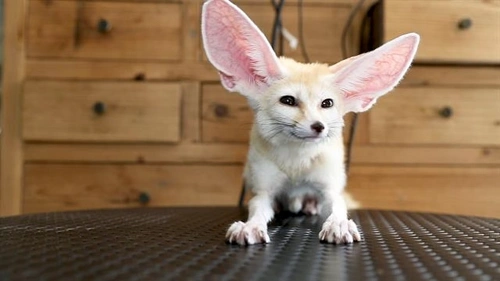
- Foxes, raccoons, skunks(even if bred in captivity)
- Most monkeys and primates
- Venomous reptiles
- Large constrictor snakes
- Quaker (Monk) parakeets, due to agricultural risk
While some states allow these pets with permits, California almost never issues personal possession permits for them. Even buying one legally somewhere else does not make ownership legal inside the state.
Penalties for Illegal Exotic Pets
Owning a banned exotic pet can result in:
- Fines
- Loss of the animal through mandatory seizure
- Misdemeanor charges in certain cases
- Prohibition from future animal ownership
Many owners only learn about the law when they bring the animal to a vet or post it on social media. California does not need proof of malicious intent—mere possession is illegal.
Will California Change Its Exotic Pet Laws?
Legalization efforts happen occasionally, such as ongoing petitions to legalize ferrets. However, state wildlife authorities consistently defend the bans based on ecological risk. Because California invests heavily in protecting agriculture and native ecosystems, lawmakers are unlikely to expand exotic pet ownership unless scientific evidence shows zero threat.
Conclusion
Exotic pets are mostly illegal in California, but some domesticated or low-risk species remain permitted. The state does not decide based on cuteness or popularity its laws focus on environmental protection. While you can legally adopt certain unusual pets like chinchillas or bearded dragons, animals such as hedgehogs, sugar gliders, ferrets, and many reptiles remain off-limits. Anyone interested in owning an exotic pet in California must check state and local regulations first, because in this state, love for an animal doesn’t override ecological law.