Yes, dumpster diving is legal in California, but only when the trash is truly public and not on private property without permission. Many people assume that anything thrown away becomes “free for anyone,” but California law doesn’t work that simply. Trash is considered abandoned under federal law once placed for collection, yet state trespass and property laws still protect wherever that trash sits. Someone digging through a dumpster can legally take discarded items if they are not trespassing, not breaking into a locked bin, and not violating local sanitation rules. So in 2026, dumpster diving in California is legal in principle, but becomes illegal the moment it crosses into trespassing, theft, safety violations, or interference with waste collection.
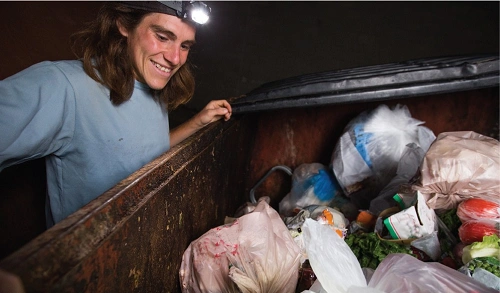
When Dumpster Diving Is Legal in California
Dumpster diving is lawful when accessible trash is in a location where the public has the right to be. Under the U.S. Supreme Court case California v. Greenwood (1988), trash put out for collection no longer carries a reasonable expectation of privacy. California follows this doctrine, which means a person may legally search or take trash that is:
- Left at the curb for pickup
- Accessible without entering private property
- Not locked, fenced off, or marked with no-trespassing warnings
This is why scavengers may legally collect recyclables from open bins on public sidewalks or retrieve discarded items from publicly accessible dumpster areas. The legality depends more on the location than the act of collecting trash.
When Dumpster Diving Becomes Illegal
The same action becomes unlawful once a diver enters spaces that are legally protected. Dumpster diving can turn illegal if a person:
- Jumps a fence or enters a gated business area
- Opens or damages a locked dumpster
- Enters a store’s private loading dock or employee-only zone
- Enters apartment property not open to the public
- Takes recyclables that legally belong to municipal waste programs
These actions fall under California’s trespass statutes, theft laws, or vandalism rules. A diver may not intend to steal, but by entering restricted areas, they violate property rights. Taking recyclables can also violate California’s recycling laws, because cities often “own” recyclables in bins and use that revenue to fund waste services.
Health, Safety, and Local Regulations
Some California cities have local health ordinances restricting rummaging through trash to prevent contamination or disruption of waste systems. Violations can lead to citations even without trespassing or damage. Additionally, taking food from dumpsters can trigger separate health code concerns if someone then distributes it. While the state does not criminalize taking discarded food for personal use, certain behaviors—like opening sealed trash compactors or interfering with waste trucks—can lead to penalties.
Dumpster Diving for Business Purposes
Some scavengers collect recyclables, metals, electronics, or discarded merchandise to resell. Although still legal under public-access rules, commercial scavenging may trigger licensing issues, particularly when large amounts of recyclable material are taken. California cities sometimes consider this unpaid extraction a form of theft from municipal resources. Businesses themselves can also claim property rights over discarded merchandise and may request police action if they believe someone is removing items they still own until pickup. Therefore, dumpster diving for profit is legally riskier than doing it casually.
Can You Be Arrested for Dumpster Diving?
Yes, but not for the diving itself. Arrests usually happen because of related offenses such as trespassing, vandalism, theft of recyclables, or refusing to leave private property after being asked. Police can also respond if someone creates a nuisance, litters, or obstructs waste workers. If a diver cooperates and leaves immediately when told to move, charges are less likely. Problems arise when someone argues that “trash is public” and refuses to comply—courts consistently uphold property rights over access to trash containers.
Conclusion
In California, dumpster diving is legal only when the trash is openly accessible without violating property rights, safety regulations, or local ordinances. Once someone enters private areas, damages locks, or interferes with municipal waste programs, the act becomes illegal, even if the diver believes the items have been thrown away. California treats dumpster diving as permissible freedom at the public curbside, but as unlawful conduct behind fences, gates, and business areas. For anyone interested in resource recovery or scavenging, the safest legal rule remains simple: if you must enter private space to reach the trash, it’s not legally yours to take.