No, finger monkeys are not legal in Californiaa. Finger monkeys — also known as pygmy marmosets — may look cute and harmless, but California classifies them as exotic primates, and primates are strictly banned for private ownership. Many people assume tiny monkeys fall under different rules because of their size, while others believe they can be owned with a special permit. The truth is simple: California does not allow finger monkeys as pets under any circumstances. They are fully prohibited animals, and the state enforces this rule more aggressively than most people realize.
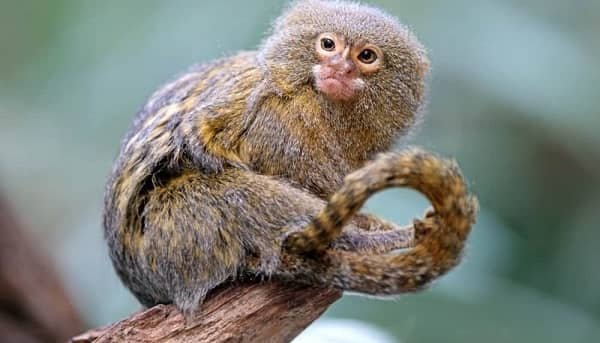
California Bans All Monkeys, Including Pygmy Marmosets
Under California’s exotic-animal laws, all species of monkeys — big or small — are banned for private ownership. Pygmy marmosets are included in this rule. Their small size does not grant them any exceptions. California defines primates as restricted wildlife, and that category includes everything from large macaques to tiny “pocket-sized” marmosets. Because of this classification, finger monkeys cannot be bought, sold, owned, imported, or kept as pets anywhere in the state.
Why Finger Monkeys Are Banned in California
California bans primates for several reasons. First, even tiny monkeys have sharp teeth and unpredictable behavior. They can bite, scratch, and carry diseases that spread easily to humans. Second, primates require complex diets, social structures, and specialized care that average pet owners cannot provide. Third, exotic pet trafficking often harms wildlife populations. California’s Department of Fish and Wildlife enforces these rules to protect both the animals and the public. Even responsible owners are not allowed to keep them because the state views primates as unsafe and unsuitable for home environments.
No Permits for Private Owners
A common myth is that you can own a finger monkey in California if you get a “special permit.” This is false. Permits for primates exist, but they are issued only to facilities such as zoos, research centers, wildlife rehabilitation groups, and educational institutions. These permits are not available for private individuals, no matter how much experience they claim to have. The state does not make exceptions for emotional-support animals, therapy animals, or “licensed exotic hobbyists.” For regular people, the answer remains a firm no.
Importing Finger Monkeys Into California Is Illegal
It is also illegal to bring a finger monkey into California from another state. Even if the monkey is legal where it came from, transporting it into California violates state wildlife rules. Animals can be seized at airports, highways, or during state inspections. Importation violations can lead to heavy fines, confiscation of the animal, and additional wildlife-crime penalties. California has zero tolerance for exotic primate imports, especially species popular in the underground pet trade.
Possessing a Finger Monkey Can Lead to Serious Penalties
If someone is caught keeping a finger monkey in California, the consequences can be severe. The animal will be confiscated and often sent to an out-of-state sanctuary or rescue center. The owner can face misdemeanor charges, fines, and potential civil penalties. California treats primate ownership as a wildlife offense, not a simple pet violation. Even advertising or attempting to buy one is considered unlawful activity.
Why People Still Want Finger Monkeys
Finger monkeys became popular online because of videos showing them sitting on a person’s finger, wearing tiny clothes, or being treated like toy pets. These videos make them seem gentle and easy to care for. In reality, marmosets are energetic, territorial, and extremely difficult to keep healthy. They can become aggressive, develop neurological issues, and suffer stress when removed from their natural social groups. California bans them partly because most owners cannot meet their needs — and because the pet trade often harms the species.
Legal Alternatives for Exotic-Pet Fans
California does allow some exotic pets, such as hedgehogs (still banned as of 2025), chinchillas, sugar gliders (with restrictions), certain reptiles, and some birds. But primates of any kind remain illegal. Anyone who wants a unique, unusual pet should choose a species that is safe, domestic-friendly, and legal under California law. The penalties for owning a banned primate are not worth the risk.
Conclusion
In 2026, finger monkeys are completely illegal to own in California. The state bans all primates — large or small — from private ownership, and pygmy marmosets fall squarely under that rule. There are no special permits for regular pet owners, no legal loopholes, and no exceptions. California’s approach is firm: primates belong in the wild or in licensed facilities, not in homes. If you want an exotic pet, choose one that California law allows and avoid costly legal trouble.