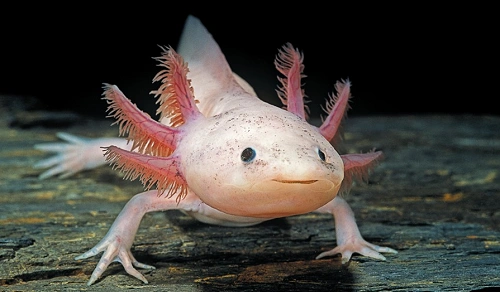
No, the amphibious salamanders commonly known as Axolotls are not legal to keep as pets in California. Although they are widely available and legal in many other states, California law treats them as prohibited exotic animals because they pose an ecological risk if released, and may threaten native salamander species. Despite their popularity and reputation as relatively harmless pets, axolotls cannot be legally owned in the state without special permits, which are not issued for hobby pet ownership.
Why They Are Illegal in California
Axolotls are banned in California for environmental protection reasons. According to accounts from exotic-pet law resources, axolotls are classified by the state as “deleterious exotic species” because of the possibility that escaped or released animals could interbreed with, compete with, or otherwise harm native salamanders—especially the indigenous tiger salamander and other amphibian populations. Even though most pet axolotls are captive-bred and cannot practically survive in California’s wild waters, the state prohibits them to avoid any risk of invasive populations or genetic intermixing with native species.
What It Means for Pet Owners
If you live in California and you purchase or already own an axolotl, you face the following realities: first, no straightforward lawful path exists under state law for hobby ownership of axolotls. Federal or state permits required for other types of exotic wildlife do not cover typical pet sales of axolotls. Second, local animal control or wildlife authorities may confiscate the animal if they learn of its presence and you cannot demonstrate legal authorization. Third, even though out-of-state pet stores or online sellers may ship axolotls into California, that does not legalize ownership—possession within the state remains against the law.
Why You Often See Them Advertised
You will still see axolotls advertised by breeders and pet shops across the U.S. The reason many people don’t realize they’re illegal in California is that pet commerce operates on a state-by-state basis, and many stores simply mark “Not legal in CA” or rely on customers to self-check local laws. Pet owners in California sometimes receive an axolotl without realizing it is prohibited, or they assume because the sale occurred online it is lawful. This misunderstanding frequently causes confiscations or owner distress when local enforcement acts.
Legal Alternatives and What to Consider
If you love axolotls, you may consider residing in a state where they are legal or waiting for a change in California law. In the meantime, other aquatic amphibians or salamanders may be legal in California (subject to local rules), but you must verify each species individually. Because axolotls are illegal, you cannot rely on casual ownership or “quiet” possession. If you already have one, you should real-investigate your local regulations and possibly relocate the pet.
Signs Ownership Is Risky
Certain indicators suggest ownership will lead to legal trouble:
- If you import or purchase an axolotl in California without a permit or exemption.
- If your municipal code or county regulation prohibits the species specifically.
- If the animal is shipped into California and you cannot prove it was legally possessed elsewhere under permit—which is not a valid defense for state prohibition.
In short: purchasing or keeping an axolotl without explicit legal authorization in California risks confiscation or enforcement.
Conclusion
In California, axolotls are prohibited as pets. The state law bans them on the basis of environmental risk, potential invasiveness, and protection of native amphibian species. Even though many other states allow axolotls, California does not provide a legal route for private ownership. If you live in California, you should assume owning an axolotl is unlawful. For pet lovers who want this species, the best precaution is to choose a legal alternative or consider moving to a state where axolotls are permitted. Always check both state and local municipal regulations before acquiring any exotic animal.