No, it is not legal to own a monkey as a pet in California. The state has one of the strictest exotic animal laws in the country, and nearly all species of primates are banned from private ownership. California does not allow monkeys to be kept as household pets not even small or “cute” species that are legal in some other states. The prohibition covers everything from capuchins and marmosets to lemurs, tamarins, and chimpanzees. The only exceptions are tightly regulated permits for scientific research, professional training facilities, film production, or accredited zoos. For an ordinary resident, keeping a monkey is illegal, regardless of species, size, or intent.
Why Monkeys Are Illegal as Pets in California
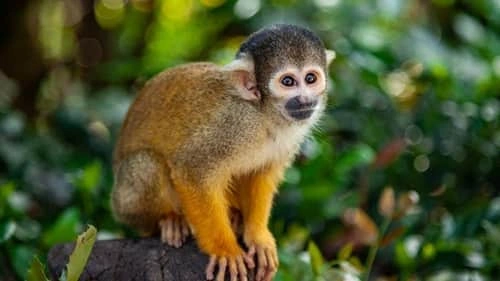
The primary reason for California’s ban is public safety and animal welfare. Monkeys are unpredictable, intelligent, and capable of causing harm even when raised from infancy. They can scratch, bite, and transmit diseases such as herpes B virus and salmonella. The law views these risks from both sides: it protects people from wild animal behavior and protects the animals from improper living conditions. Monkeys require specialized diets, social interaction with their own species, and professionally designed habitats. California’s lawmakers determined that most private owners cannot meet these needs safely.
Another major concern is the illegal wildlife trade. Many monkeys kept as pets in other states are acquired through unregulated breeding or smuggling. By banning private ownership, California reduces demand for an industry that often mistreats animals and separates infants from their mothers prematurely.
The Legal Basis for the Ban
California classifies monkeys under restricted species laws within its Fish and Game regulations. These rules prohibit the possession, transport, import, and breeding of almost all primates without a special permit. Permits are not granted for pets. They are issued only to organizations with legitimate public or scientific purposes. These include wildlife sanctuaries, universities, medical research institutions, and licensed animal handlers working in entertainment production. Even with a permit, strict conditions apply, including facility inspections, liability standards, and reporting requirements. Everyday owners cannot simply “apply for permission.”
Because the law is restrictive at the possession level, the ban covers more than just buying or selling. It is illegal to keep a monkey that someone else purchased, illegal to take ownership from another person, and illegal to transport one across state lines into California. Even if the monkey was legally obtained elsewhere, possessing it inside California remains against the law.
What Happens If Someone Owns a Monkey Illegally?
California treats illegal possession of a primate as a violation of Fish and Game regulations, which can lead to fines, confiscation, and, in some circumstances, criminal charges. Enforcement usually begins when a monkey is discovered through veterinary visits, public complaints, social media posts, or accidental injury. Authorities can seize the animal without returning it to the owner. Confiscated monkeys are often transferred to sanctuaries or licensed facilities, and owners may be barred from future exotic animal possession.
Some people believe that if they keep the monkey quietly inside their home, they will not be caught. This belief is risky. Neighbors often notice unusual animals, especially those that vocalize loudly or require outdoor access. Veterinary care also becomes an issue, since most California veterinarians are required to report restricted wildlife. Even posting photos or videos online can result in enforcement action.
Can You Own a Monkey With a Special Permit?
For the average person, the answer is no. California’s special permits are job-based, not hobby-based. A permit holder must demonstrate that they are operating a legitimate business or institution and that the animals serve a professional purpose such as film work, scientific study, or educational outreach. These permits come with heavy regulations, inspections, facility standards, and continuing oversight. A private individual cannot simply claim they want to educate the public or intend to treat the monkey responsibly. The permit system is not a workaround—it is a professional licensing structure.
Legal Alternatives to Monkey Ownership
People interested in primates can support sanctuaries, volunteer at accredited wildlife centers, or participate in conservation programs. Some facilities offer “adopt a primate” sponsorships, where individuals can help fund care in exchange for updates and visitation opportunities. These options allow primate lovers to engage responsibly without contributing to illegal pet ownership.
For those who simply want an unusual pet, California does allow certain exotic species, such as some reptiles, hedgehog-alternatives (like African pygmy mice), and legal birds. But anyone interested in exotic pets should research legal status before buying, since California’s rules vary widely across species.
Conclusion
In California, it is illegal to own a monkey as a pet under any normal circumstances. The state prohibits private primate ownership to protect public safety, prevent exploitation of animals, and reduce illegal trafficking. Specialized permits exist only for universities, sanctuaries, and trained professionals—not hobbyists or private homes. Anyone wishing to engage with primates must do so through legal, ethical avenues. California’s message is clear: wild animals belong in professional care, not in living rooms or backyards.