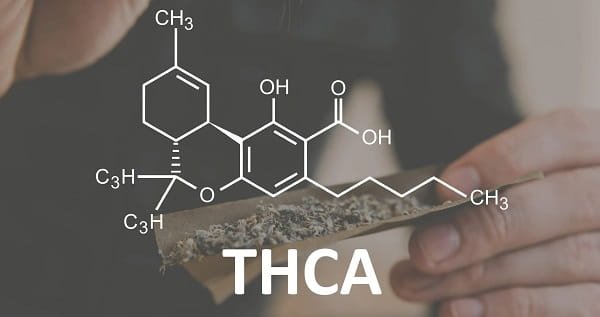
Yes, THCA is legal in California, but how you buy it and how it is regulated depends on where the product comes from. THCA is a natural compound found in raw cannabis. It is not intoxicating until heated, but the moment it is converted into THC, it becomes a controlled substance. California treats THCA differently from many states because the state already legalized cannabis for both medical and recreational use. That means THCA flower, concentrates, and extracts can be sold legally in licensed dispensaries. At the same time, hemp-derived THCA products sold outside licensed cannabis shops sit in a complicated gray zone. Some people think THCA is fully unregulated because it is “non-psychoactive,” while others believe it is banned because it turns into THC. The truth lies between those extremes.
THCA From Cannabis Is Fully Legal in Licensed Dispensaries
California’s cannabis laws allow adults 21 and older to buy cannabis products legally from licensed retailers. That includes raw cannabis flower rich in THCA. In dispensaries, THCA products are treated exactly the same as regular cannabis. Whether the flower has 25% THCA or 1% THC does not change anything legally. The state measures total potential THC, which includes THCA after conversion. Because recreational cannabis is legal in California, these products can be bought, possessed, and used within the limits of state law. As long as the product comes from a licensed retailer, it falls under California’s regulated cannabis system.
Hemp-Derived THCA Exists, but It Is Not a Free Pass
Outside dispensaries, some companies sell “hemp THCA flower.” They claim it is legal because the dry flower has less than 0.3% Delta-9 THC before heating. On paper, that fits the federal hemp definition. But California does not follow federal hemp loopholes the same way other states do. The state classifies any product that becomes intoxicating when heated as cannabis. This means hemp THCA flower is treated the same as marijuana once it enters California. Selling it outside the licensed cannabis system violates state rules. Consumers can still order such products online, but technically they fall into an unregulated area that does not meet California’s cannabis laws.
Why THCA Matters Legally — It Converts Into THC
California regulators look at total THC, not raw THCA alone. When THCA is heated through smoking, vaping, or cooking, it becomes Delta-9 THC. Because of that, the state treats THCA as a cannabis compound with the same legal expectations as regular marijuana. The only exception is raw, unheated THCA in plant form or in certain oils, which remains non-intoxicating. But the state makes no separate legal category for THCA the way some states do. Instead, California groups it under the broader cannabis umbrella.
What You Can Legally Do With THCA in California
Adults can legally possess THCA cannabis products up to the standard limits: 28.5 grams of flower or 8 grams of concentrated cannabis. THCA edibles, tinctures, and infused oils are legal to buy from licensed dispensaries. Consumers can grow cannabis at home, and the flower naturally contains high THCA levels. As long as it stays within the legal possession and cultivation limits, THCA is allowed. You can smoke it, vape it, or use it raw. The law treats it exactly like any other cannabis product available to recreational users.
Where THCA Becomes a Problem Legally
The biggest legal issue happens when THCA products are sold outside the licensed cannabis market. California requires strict testing, packaging, age verification, and tracking for all cannabis products. Hemp THCA flower sold online does not meet those standards. The state considers it unregulated cannabis. Retailers selling it in California without a cannabis license risk fines, shutdowns, and criminal penalties. Consumers are not usually targeted, but the product itself sits outside California’s legal retail system.
Another issue appears when people assume THCA can be carried across state lines. Crossing borders with any cannabis — including THCA flower — is illegal under federal law. Even though California allows it, federal law does not.
Why California Treats THCA Strictly
California designed its cannabis laws to keep the industry regulated and to prevent untested products from entering the market. THCA flower looks and smells identical to high-THC marijuana. It behaves the same once heated. Because it is essentially the same product, the state closes loopholes that other states allow. THCA sits at the center of the cannabis experience, and California treats it with the same rules that apply to THC-rich products.
Conclusion
In 2026, THCA is legal in California, but the legality depends on how and where the product is sold. THCA cannabis from licensed dispensaries is fully allowed under state law. Hemp-derived THCA sold outside the regulated cannabis system falls into a restricted category and is not treated as free-market hemp. California’s approach is simple: if it becomes intoxicating when heated, it belongs inside the regulated cannabis industry. THCA itself is legal, but only when it follows California’s cannabis rules.