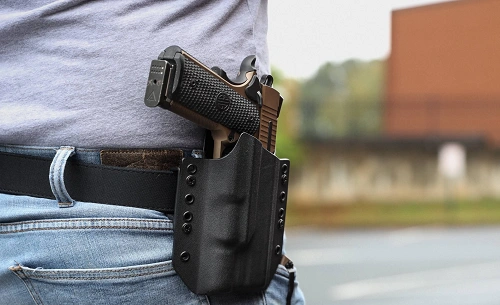
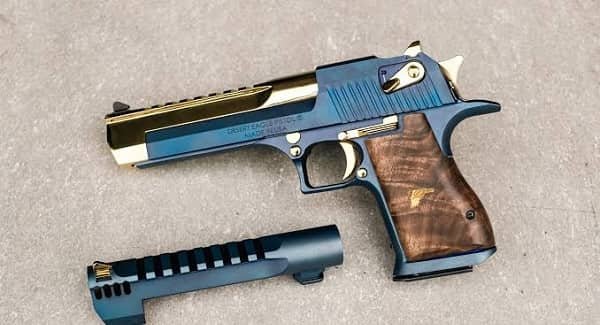
Yes — airsoft guns are legal in California, but the way they can be owned, displayed, sold, or used is tightly regulated. Many people assume airsoft guns are treated like toys because they fire plastic pellets. Others believe California bans them entirely. The truth rests in the middle. Airsoft guns are lawful to buy and use, but the state requires specific markings, has strict rules on public display, and enforces penalties when people treat them like real firearms. California’s approach is practical: allow the hobby, protect public safety, and prevent dangerous misunderstandings.
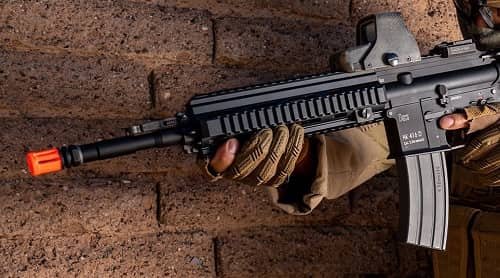
Airsoft Guns Must Have Required Markings
California requires all imitation firearms, including airsoft guns, to be clearly distinguishable from real guns. That means they must include bright coloring, clear markings, or transparent sections. Retailers must sell them with these features already in place. Airsoft guns that look too realistic without these markings are illegal to sell or possess. This rule exists because airsoft guns have been mistaken for real firearms in public, and the state wants to prevent police or bystander confusion. If an airsoft gun lacks proper markings, it must be modified or it cannot be legally possessed.
Using Airsoft Guns in Public Is Restricted
Even though airsoft guns are legal, using them in public spaces is not. California prohibits openly carrying, brandishing, or displaying an airsoft gun in streets, parks, or public areas. If someone points an airsoft gun in public, even as a joke, police may treat it as a weapon. Carrying an airsoft gun that looks like a real firearm can lead to serious consequences. The law requires airsoft activities to stay on private property, designated fields, or controlled environments where everyone understands the situation.
Transport Rules Must Be Followed
When transporting an airsoft gun, California expects the gun to be kept in a case or bag so it is not visible. It should not be carried in a way that resembles carrying a real firearm. This rule applies whether the person is walking, driving, or using public transportation. The goal is simple: avoid alarming people. If an airsoft gun is carried openly or displayed carelessly, it can lead to police involvement or legal penalties, even though the gun itself is lawful.
Minors Can Use Airsoft Guns With Restrictions
California allows minors to use airsoft guns, but they must have permission from a parent or guardian. Retailers cannot sell airsoft guns directly to minors. If a minor carries or uses an airsoft gun without adult consent, law enforcement may treat it as unlawful possession. Parents remain responsible for how their children use and store these devices. Many airsoft fields require waivers and supervision for players under certain ages.
Modifying an Airsoft Gun Can Make It Illegal
Airsoft hobbyists often like to customize their equipment, but certain modifications are prohibited. Removing the bright-colored tip, repainting the gun to look more realistic, or altering safety markings can make the airsoft gun illegal under California law. Anything that increases the chance of mistaking the airsoft gun for a real firearm violates the state’s imitation-firearm rules. Internal performance upgrades are usually allowed, but changes that affect appearance must stay within legal guidelines.
Airsoft Fields and Private Property Are the Proper Places to Play
California supports airsoft as a recreational sport when played safely. Professional airsoft fields, private land with owner permission, and controlled indoor arenas are legal places to use airsoft guns. Shooting airsoft guns in backyards is also legal in many areas, but local city ordinances may restrict noise, safety risks, or projectile use. Some cities have rules preventing airsoft pellets from leaving the property. Knowing local laws helps prevent accidental violations.
Why California Regulates Airsoft Guns Strictly
Airsoft guns look realistic, and misunderstandings involving them can escalate quickly. California’s regulations aim to prevent tragic accidents, mistaken shootings, and public panic. By requiring markings, restricting public display, and controlling sales, the state tries to keep airsoft safe while still allowing the sport to thrive. The laws do not prohibit airsoft — they simply ensure it is used responsibly.
Conclusion
Airsoft guns are legal in California, but they come with specific requirements. They must have bright markings, cannot be displayed in public, must be transported safely, and cannot be modified to look too realistic. Minors can use airsoft guns with parental consent, and players must follow local rules when using them on private property or airsoft fields. California’s laws allow the sport to continue while emphasizing safety and preventing confusion with real firearms.