Yes, bounty hunting is legal in California, but only under very strict rules that are far more restrictive than in most other states. Many people imagine bounty hunters working like they do in movies, tracking fugitives with almost no regulation. Others think California banned the practice completely. The truth lies in the middle. Bounty hunting is allowed, but the state requires licensing, training, documentation, and clear identification. Anyone attempting to recover a fugitive without meeting California’s requirements can face criminal charges.
California Requires Bounty Hunters to Be Licensed
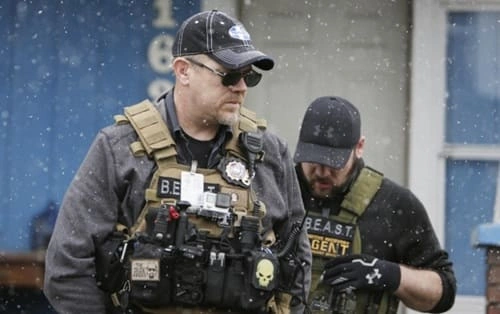
California does not allow just anyone to act as a bounty hunter. To work legally, a person must hold a valid license as a bail fugitive recovery agent, a private investigator, or be directly employed by a licensed bail agency. The license ensures that the bounty hunter meets background checks, completes required training, and understands state laws regarding arrest, entry, and use of force. Without the proper license, any attempt to capture a fugitive is illegal.
Training and Identification Are Mandatory
Licensed bounty hunters must complete training programs that cover laws of arrest, ethics, safety procedures, and proper documentation. They must carry clear identification showing their legal authority and present it whenever requested by law enforcement or the public. California does not tolerate bounty hunters operating undercover or pretending to be police officers. Failure to display proper ID can lead to penalties or loss of license.
Bounty Hunters Must Follow Strict Rules for Arrests
California has detailed rules about how and when a bounty hunter may take someone into custody. They must notify local law enforcement before attempting an arrest to prevent confusion or dangerous encounters. Forced entry into a home is only allowed under limited circumstances, and violating these rules can result in criminal charges such as trespassing or burglary. The arrest must follow the same general standards used by law enforcement, even though bounty hunters are acting on behalf of a bail bond company.
No Person Can Act as a Bounty Hunter Without a Bail Bond License or PI License
Unlike some states where private citizens can locate fugitives for rewards, California restricts the job to people working in the bail industry or holding a private investigator license. A private individual cannot simply track down a fugitive and claim payment. Anyone doing so without the proper credentials is breaking the law. California views bounty hunting as a regulated profession, not an open field.
Firearm Rules Still Apply
Even licensed bounty hunters must follow California’s strict firearm laws. They cannot carry certain weapons, and they must comply with concealed-carry permit rules. The license to operate as a recovery agent does not automatically allow carrying a firearm. Any weapon used must be legal, properly permitted, and carried according to state law. Violating firearm rules can lead to criminal charges regardless of the person’s role in a fugitive recovery.
Why California Regulates Bounty Hunting So Strictly
California has experienced cases in the past where untrained or unlicensed bounty hunters caused harm, violated rights, or created dangerous situations. These incidents led to tighter regulations to protect the public, prevent impersonation of law enforcement, and maintain order. The goal is to ensure bounty hunters operate professionally and safely instead of acting recklessly or outside the law.
Bounty Hunting Is Legal, But Not Easy to Do
Anyone imagining an open, freelance bounty-hunting lifestyle in California will quickly realize the state’s rules do not allow it. The job requires licensing, training, and cooperation with law enforcement. It involves paperwork, strict procedures, and constant compliance with regulations. California keeps the practice legal but ensures it remains controlled and professionally supervised.
Conclusion
Bounty hunting is legal in California, but only for properly licensed and trained individuals. The state requires identification, notice to law enforcement, and adherence to strict arrest procedures. Unlicensed bounty hunting is illegal and carries serious penalties. California’s approach is clear: the profession may exist, but it must operate under tight rules designed to protect public safety and prevent abuse.