Surprisingly, California does not have a specific statute that simply says “cannibalism is illegal.” This often leads people to believe the act itself is allowed under certain conditions. Others assume cannibalism is explicitly banned everywhere because of how disturbing the topic is. The truth is more complicated. Cannibalism is not directly outlawed by name, but almost every action connected to it murder, mutilation, desecration of remains, abuse, trafficking, and health-code violations — is illegal. In other words, it is practically impossible to engage in cannibalism without committing multiple serious crimes. California’s laws treat the surrounding acts as criminal, making cannibalism effectively prohibited in real-world circumstances.
Cannibalism Itself Is Not Named in the Penal Code
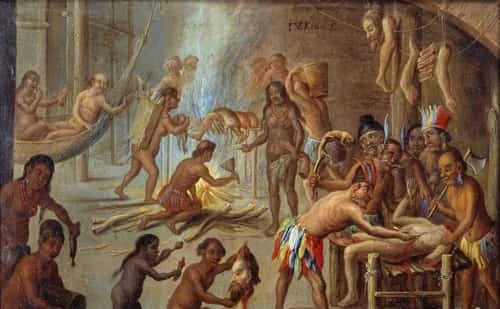
California’s penal code does not contain a section that bans “eating human flesh” by itself. This unusual omission has caused confusion and internet rumors suggesting that cannibalism is technically allowed. The law focuses on the actions leading up to the act how the remains were obtained, whether the person was harmed, and whether the body was handled legally and respectfully. Because every path leading to cannibalism violates multiple sections of state law, the lack of a direct ban does not make it legal in practice.
Any Harm to a Living Person Is Fully Illegal
If cannibalism involves harming or killing someone, California law treats the act as murder, assault, torture, mayhem, or abuse depending on the situation. These crimes carry extremely harsh penalties. Even if a person “consents,” the law does not allow someone to consent to their own serious bodily harm or death. Consent does not legalize violent self-mutilation or homicide. Therefore, any act of cannibalism involving a living person is unquestionably illegal.
Human Remains Are Protected by Strict Laws
Even if a person is deceased, California has strict rules governing the treatment of human remains. Cutting, removing, or dismembering a body without legal authority is a felony. Taking body parts from hospitals, funeral homes, accidents, or any scene involving human remains is illegal. Mishandling, abusing, or mutilating a corpse is also a crime. These laws apply regardless of motive. So even if cannibalism did not involve violence, obtaining human tissue in a legal way is virtually impossible.
Selling or Trafficking Human Body Parts Is Prohibited
California bans the sale or transfer of human body parts for non-medical purposes. Buying, selling, or trading human tissue is illegal unless authorized for medical or scientific use. Cannibalistic acts would violate several sections of health and safety codes dealing with body-part trafficking, contamination, and unlawful possession of human remains. These rules further close any loophole that people imagine might make cannibalism possible.
Public Health and Safety Laws Close the Remaining Gaps
California’s health regulations require that all food offered, served, or consumed in regulated settings meet strict safety standards. Human tissue does not qualify as food under state law, and preparing or distributing it would violate countless health codes. Even private consumption would risk prosecution under contamination and biological-hazard rules. California treats human tissue as a biohazard, not as food.
Extreme Situations Do Not Override the Law
People often ask about survival scenarios where individuals consume human flesh to stay alive, such as after plane crashes or disasters. While these cases are rare and evaluated individually, they typically involve no intent to harm and occur after a person has already died from other causes. These cases are handled with compassion, but they do not create a legal pathway for cannibalism in ordinary circumstances.
Why People Believe Cannibalism Is Technically Legal
The myth comes from the fact that the law does not explicitly name cannibalism as a crime. But California does not need a cannibalism-specific law because every step that would lead to it is already covered by other criminal statutes. The act cannot occur without violating multiple laws on homicide, corpse handling, public health, or bodily integrity. So while the exact word may not appear in legislation, the act itself is effectively prohibited.
Conclusion
Cannibalism in California is not directly outlawed by name, but it is still illegal in every real-world situation. The laws surrounding murder, assault, corpse desecration, trafficking of human remains, and public-health standards make it impossible to legally obtain or consume human tissue. California’s approach is clear: no one can commit or participate in cannibalism without breaking several serious laws, even though the word “cannibalism” does not appear in the penal code.