Yes — digital license plates are legal in California, but only if they come from a state-approved provider and meet all DMV regulations. Many drivers assume digital plates are banned because they look futuristic and differ from the standard metal plates. Others believe any electronic display attached to a vehicle qualifies as a legal plate. The truth sits in the middle. California recognizes digital plates as valid registration displays, but only under a tightly regulated program. Drivers must follow specific rules about installation, renewal, and display to stay compliant.
California Officially Approved Digital Plates Through State Law
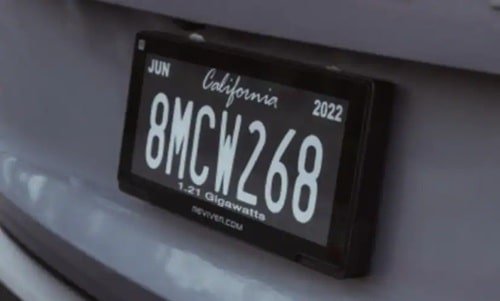
California became the first state in the country to formally legalize digital license plates. The DMV authorizes certain companies to produce and manage these plates, which display the license number electronically instead of being stamped on metal. These plates function as legal replacements for traditional plates as long as they are properly registered with the state. The program started with commercial fleets but is now available to individual vehicle owners.
Digital Plates Must Come From an Authorized Provider
Only digital plates produced by DMV-approved manufacturers are legal. Drivers cannot build their own electronic display, use a tablet or LED panel, or install aftermarket devices that mimic plate information. California treats these unauthorized displays as illegal plates. Approved digital plates come with built-in security features, tamper protection, and wireless communication for registration updates. As long as the plate is issued through the state’s official system, it is recognized as valid.
You Must Maintain Active Registration for the Plate to Be Legal
A digital license plate does not remove the need for normal registration. Owners must still renew annually and keep the vehicle in good standing with DMV requirements. One advantage of digital plates is that registration updates transmit automatically, eliminating the need for physical stickers. But if the registration lapses, the plate becomes invalid even though it still displays information. California enforces all standard registration laws regardless of the plate’s electronic format.
Placement and Visibility Requirements Still Apply
Just like traditional plates, digital plates must be clearly visible, unobstructed, and mounted in the usual locations. They cannot be tinted, covered, or altered. The display must remain readable in daylight and nighttime conditions. If the plate malfunctions or fails to display information, the owner must repair or replace it promptly. California expects the digital plate to function at all times like a standard plate would.
Digital Plates Come With Extra Features — But They Must Stay Legal
Digital plates can show messages such as “STOLEN” if the car is reported stolen, or registration alerts during renewals. They can also help with fleet management, GPS-based tracking (optional), and wireless updates. However, drivers cannot use the plate to display personal messages, advertisements, animations, or anything unrelated to legal plate information. The display is strictly regulated to prevent misuse.
Why California Adopted Digital Plates
California embraced digital plates to modernize registration, improve theft recovery, and streamline fleet management. They offer convenience to drivers and more efficient control for the DMV. By approving only specific manufacturers, California ensures the technology meets safety, visibility, and anti-tampering standards.
Digital Plates Are Legal, But They Are Optional
California does not require digital plates. Most drivers still use traditional metal plates, and the DMV continues to issue them. Digital plates are simply an alternative for those who want modern features or easier registration updates. There is no penalty for choosing metal plates instead of electronic ones.
Conclusion
In 2026, digital license plates are fully legal in California as long as they come from DMV-approved providers and follow the state’s rules for display, registration, and visibility. They cannot be customized or replaced with homemade electronic versions. California’s approach is simple: digital plates are allowed, but only within a regulated system that protects safety and prevents misuse.