No, stoats are not legal to own in California. Stoats — also known as ermines — might look small, cute, and harmless, but the state classifies them as prohibited wild animals. Many people think stoats are similar to ferrets and assume they can be kept as exotic pets. Others believe a special permit or private breeder can make the animal legal. The truth is simple: California bans stoats completely. They cannot be bought, sold, imported, or kept as pets under any circumstance. The state considers them a major ecological threat, and the law is firm about keeping them out of homes.
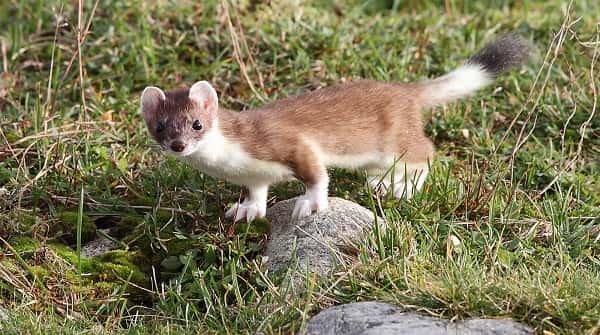
California Classifies Stoats as Restricted Wildlife
Stoats belong to the weasel family and are natural predators. California lists them under its restricted-wildlife regulations, the same category that includes invasive mammals, predatory species, and wild animals considered dangerous to the environment. This classification means they cannot be owned by the general public, even with experience or special training. Stoats fall into the same legal category as other prohibited species that pose risks to crops, native animals, and natural habitats.
Why Stoats Are Banned in California
California bans stoats for ecological reasons. Stoats are skilled hunters, extremely fast, and capable of wiping out small bird and rodent populations if they escape into the wild. They breed quickly, adapt easily to new environments, and can become destructive if they form colonies. California already struggles with invasive species, so the state blocks any animal with the potential to upset its delicate ecosystems. Stoats are perfectly built for survival — sharp teeth, high energy, and strong instincts — and that makes them too risky for California’s wildlife balance.
No Permits Available for Private Owners
A common misconception is that individuals can get a special permit to own a stoat. California does issue wildlife permits, but they are strictly limited to zoos, scientific institutions, wildlife rehabilitators, and educational facilities. These permits come with extensive inspections, facility requirements, and professional oversight. They are not available for personal pets. Even someone with years of animal experience cannot legally get a permit just to keep a stoat at home. California keeps the rules tight specifically to prevent exotic pet trade and invasive-species problems.
Importing Stoats Into California Is Illegal
Bringing a stoat into California from another state is also illegal. Even if the stoat is legal elsewhere, California treats its importation as a wildlife violation. The animal can be confiscated at airports, road checkpoints, or through routine inspections. Owners may face fines or misdemeanor charges, depending on the situation. The state takes import laws seriously because invasive animals often enter through private transport or illegal sales.
Possessing a Stoat Can Lead to Penalties
If someone is found keeping a stoat in California, the consequences can be significant. Wildlife officers can seize the animal and send it to a licensed facility or sanctuary outside the state. The owner may face citations, fines, or legal action. California’s penalties focus on protecting the environment rather than punishing individuals, but the state does not make exceptions simply because a person “didn’t know.” Possession of banned wildlife violates state law regardless of intent.
Why Stoats Are Difficult to Keep Even Outside California
Even in places where stoats are legal, they are notoriously challenging pets. Stoats are hyperactive carnivores with strong hunting instincts. They need large enclosures, constant enrichment, and specialized diets. They can bite, chew through structures, and escape easily. Most attempts to keep them as pets end poorly for the animal or the owner. That is one reason laws exist to protect stoats from being sold in the exotic-pet market. California’s ban reflects these practical concerns as much as environmental ones.
Legal Alternatives for Exotic-Pet Enthusiasts
California bans stoats, but the state still allows certain small animals that offer a similar playful or active personality. Chinchillas, hamsters, guinea pigs, mice, rats, and many reptile species are legal. Even though ferrets remain banned statewide, other small mammals can provide companionship without violating wildlife laws. Choosing a legal species avoids penalties and protects the environment.
Conclusion
In 2026, stoats are completely illegal to own in California. The state bans them to protect ecosystems, prevent invasive species, and maintain wildlife safety. There are no special permits for private owners, no legal breeders, and no loopholes for importing them. California’s stance is firm: stoats belong in the wild or in licensed professional facilities — not in private homes. Anyone who enjoys exotic animals should choose legal species and avoid the serious consequences of keeping a banned animal.