Photo editing has changed dramatically over the past decade. What once required expensive software, advanced technical knowledge, and considerable time can now be accomplished with increasingly accessible AI-powered tools. From removing unwanted objects to changing backgrounds and improving image quality, artificial intelligence is making sophisticated editing techniques easier for everyday users.
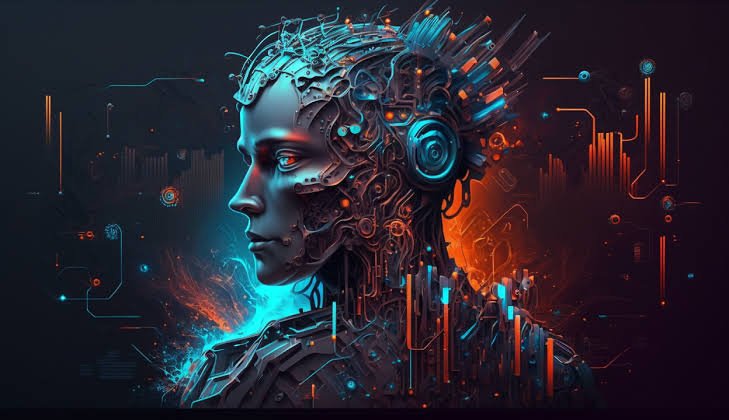
One of the latest developments in this area is the growing use of generative AI for image editing. Instead of relying entirely on traditional editing controls, users can increasingly describe the result they want and allow AI to make the necessary adjustments. This shift is creating a more intuitive approach to digital creativity.
From Manual Editing to AI-Assisted Creativity
Traditional photo editing typically involves multiple steps. A user might need to select an object, create a mask, adjust colors, modify lighting, and carefully blend the result with the rest of the image. Although these techniques provide extensive control, they can be challenging for beginners.
AI-assisted editing changes this process by interpreting visual information and user instructions. Rather than manually completing every adjustment, users can provide a description of the desired change. The technology then analyzes the image and attempts to produce a suitable result.
This does not necessarily eliminate the need for human creativity. Instead, it can reduce repetitive technical work and give creators more time to concentrate on composition, storytelling, and visual concepts.
What Makes Modern AI Photo Editing Different?
A major advantage of modern AI image tools is their ability to understand context. Earlier automated editing systems were generally designed to perform specific tasks, such as sharpening an image or correcting exposure. Generative AI can work with more complex instructions involving multiple elements of a picture.
For example, a creator may want to change the atmosphere of an image while keeping the main subject recognizable. Another user might want to replace a background, adjust clothing colors, or create a different visual setting. AI-based systems can attempt to interpret these instructions and modify the image accordingly.
Tools such as the Nano Banana 2.5 photo editing tool reflect this broader movement toward conversational and AI-assisted image creation. Instead of treating editing as a collection of isolated technical operations, this approach allows users to experiment with images through natural instructions and creative ideas.
Practical Uses for Creators
AI-powered photo editing can be useful across a wide range of creative situations.
Social Media Content
Social media creators often need to produce visually appealing content quickly. AI editing can help with tasks such as background adjustments, visual enhancements, and creative transformations. This can be particularly useful when producing multiple versions of content for different platforms.
Marketing and Advertising
Businesses frequently require product images, promotional graphics, and campaign visuals. AI tools can assist with creating variations of existing imagery without requiring a completely new photoshoot for every concept.
For example, a product photograph could potentially be adapted to different visual environments or seasonal themes. Designers can then review the generated results and make further adjustments where necessary.
Personal Photography
AI editing is also useful for people who simply want to improve their personal photographs. Travelers, hobby photographers, and casual users can experiment with backgrounds, lighting, colors, and artistic styles without needing extensive knowledge of professional editing software.
Creative Experiments
Perhaps one of the most interesting applications is experimentation. AI makes it easier to test visual ideas that might otherwise require significant time and technical skill. Creators can explore different compositions and concepts before deciding which direction to develop further.
The Importance of Good Instructions
Although AI can simplify editing, the quality of the instruction still matters. A vague request may produce an unpredictable result, while a clear description can provide the system with more useful information.
Instead of writing something general such as “make this better,” users can describe the intended changes more specifically. They might explain the desired lighting, environment, subject position, mood, or visual style.
This process is sometimes referred to as prompt-based editing. Learning how to communicate visual requirements clearly can therefore become an important skill for people working with generative image technology.
AI Editing Still Requires Human Judgment
Despite rapid improvements, AI-generated edits are not automatically perfect. An image may contain unexpected details, unnatural textures, incorrect proportions, or changes that do not match the original creative intention.
For professional work, human review remains important. A creator should examine the final image carefully and correct anything that looks inconsistent. In some cases, traditional editing software may still be necessary for precise adjustments.
The most practical approach is therefore not necessarily AI versus traditional editing. Instead, the two can complement each other. AI can handle creative exploration and time-consuming transformations, while human editors can provide final control and quality assurance.
Privacy and Responsible Image Creation
As AI image technology becomes more widespread, privacy and responsible use deserve attention. Users should consider where their images are processed and understand the terms associated with the tools they use.
It is also important to avoid manipulating images in ways that could mislead people, particularly when photographs are presented as authentic representations of real events or individuals. Responsible editing means understanding the difference between creative transformation and deceptive manipulation.
Looking Ahead
AI-powered image editing is likely to continue evolving as models become better at understanding visual context, text instructions, and relationships between different elements in an image.
Future tools may make sophisticated editing increasingly accessible to people who have never used professional design software. At the same time, experienced photographers and designers may use AI as another layer in their existing workflows rather than as a complete replacement for conventional techniques.
The broader change is already clear: photo editing is moving from purely manual manipulation toward a more collaborative relationship between people and intelligent software. Users provide the creative direction, while AI helps translate those ideas into visual results.
For anyone interested in digital creativity, understanding these tools can open up new possibilities. The key is to treat AI not simply as an automatic editing button, but as a creative assistant that can help turn an idea into an image while leaving the final artistic decisions in human hands.