A truck’s weight can change the picture of a crash. Cargo may affect how a vehicle brakes, turns, handles a road, or stays balanced. Yet finding out whether a truck was overloaded is not always as simple as looking at it after a crash. Important details may sit in loading records, shipping papers, inspection reports, and information held by companies.
Legal representation for overloaded truck accident cases can bring those details together and organize the crash facts. The focus is not on the truck’s weight, but also on how the load was handled and what role it may have played.
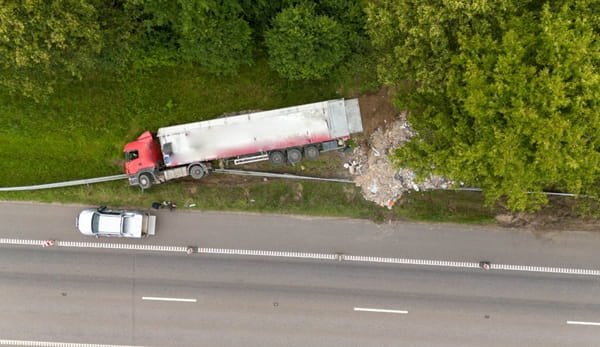
Determine Where the Loading Problem Started
A truck driver may be responsible for operating the vehicle, but the driver may not have loaded every item inside it. Cargo can pass through several hands before a truck leaves a loading area. A shipper, loader, trucking company, or another party may have helped prepare the load.
Looking at that process can help identify where a possible loading problem began. Records may show who prepared the shipment, who checked the cargo, and what information was available before the truck started its trip. The goal is to establish a factual record clearly, carefully and without unnecessary assumptions, instead of assuming that the person behind the wheel handled every part of the loading process.
Gather Records That Reveal the Truck’s Actual Load
A truck can look heavily loaded without its weight being known. Records can provide a clearer picture.
Useful records may include:
- Bills of lading and shipping documents
- Weigh station records and weight tickets
- Loading and inspection records
- Electronic vehicle or trip information
- Maintenance records connected to the truck
These records can become important if different parties give different accounts. A shipping document may show one amount, while a weight record may show another. Reviewing the records can establish what the truck was carrying and what information was available before the crash.
Examine How the Load Affected the Crash
Proving that a truck carried a heavy load does not explain a collision. The review considers how the load may have affected the vehicle during the event.
An investigation may consider whether the load affected braking, steering, balance, or vehicle control. It may also look at tire condition, braking systems, and other vehicle parts that could be connected to the crash. A truck carrying too much weight may respond differently from a properly loaded vehicle, but the facts of each crash need to be examined on their own.
This part of the process connects the condition of the truck to the circumstances of the collision. It avoids treating the load itself as the entire explanation.
Sort Out Conflicting Accounts
Overloaded truck crashes can involve several companies and versions of what happened. A driver may describe the load one way, while a shipper or loader may provide different information. Records can add another layer to the story.
An attorney may compare those accounts with evidence, including photographs, witness statements, vehicle condition, shipping documents, and weight records. The purpose is to identify facts that can be supported and separate them from claims that remain disputed.
A careful review can also show which questions still need answers. That may include who handled the cargo, whether the weight was checked, or whether the load changed during transport.
Organize the Claim Around Documented Losses
The truck’s load is only one part of the case. The collision can also create financial losses that need to be recorded clearly.
These may include:
- Medical bills and documented treatment costs
- Lost income connected to time away from work
- Vehicle repair or replacement costs
- Other documented expenses linked to the collision
Keeping records together gives a clearer view of the losses connected with the crash. It also helps distinguish expenses tied to the accident from unrelated costs. Legal representation may assist with organizing these records as part of the claim review.
Conclusion
An overloaded truck accident can raise questions that are not answered by the crash scene. The truck’s weight, the way cargo was placed, the people involved in loading it, and the records created during the trip may all add pieces to the factual picture.
Good case preparation looks at those pieces together. It can involve tracing the loading process, reviewing weight and shipping records, examining how the vehicle was affected, and organizing documented losses. The facts differ from one crash to another, so the case needs to be assessed on its own evidence.
For people dealing with an overloaded truck crash, legal representation for overloaded truck accident cases can help bring the available information into one organized record while leaving the final legal analysis to the appropriate professionals.