No, kratom is not straightforwardly legal in California. The legal status is currently in a state of flux: at the state level, the substance is not explicitly scheduled as a controlled drug, but it is considered an unapproved food, drug, or dietary supplement, which means its sale and distribution face serious regulatory risk. Local jurisdictions and state health officials are actively cracking down on kratom and certain derivatives, saying merchants must stop selling them. Until the state enacts a clear law either approving, regulating, or banning kratom, Californians who buy, sell or distribute it do so under uncertain legal protection.
What State Law Says About Kratom
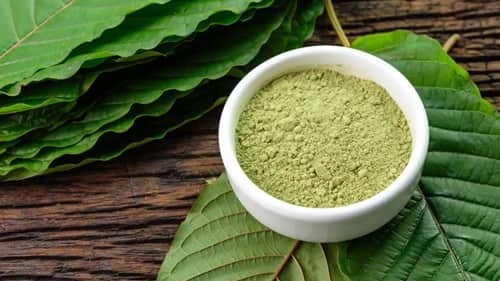
The California Department of Public Health (CDPH) declares that kratom and the potent derivative called 7‑hydroxymitragynine (7-OH) cannot lawfully be marketed in California as a food additive, dietary supplement or drug product. They treat kratom as an “adulterant” when it’s sold under those categories instead of being properly approved. That means sellers risk embargoes, product seizures, or regulatory action under existing state food and safety laws. For example, CDPH investigations have already led to stores in cities like Sacramento and San Diego being raided and kratom products seized.
Local Bans and Enforcement Actions
While there isn’t a full statewide ban, certain California counties and cities treat kratom differently. For instance, the health officer in Los Angeles County issued urgent advisories stating kratom and 7-OH products are illegal in the county and must be removed from stores. Some local jurisdictions have banned manufacturing or distribution of synthetic derivatives completely. So even if kratom appears available in one part of California, it may be banned or treated as illicit in another part.
Legislative Efforts and Why the Status Is Unsettled
The California legislature has introduced bills to regulate kratom — for example, AB 1088 seeks to prohibit the sale of kratom leaf or kratom-products to persons under 21. But no statewide law yet fully legalizes kratom or resolves all regulatory questions. Until formal legislation passes, sellers operate at risk of state enforcement based on food safety and the prohibition of unapproved drugs.
At the same time, industry advocates argue natural leaf kratom is not as dangerous as the synthetic derivatives, and they criticize enforcement as overreach. But the push from federal regulators to classify 7-OH as a Schedule I substance amplifies pressure on California regulators.
What This Means for Consumers and Sellers
If you’re a consumer in California considering purchasing kratom, you should know there is no clear “safe market” guaranteed. You may find it on shelves, but you also may face sudden removals or seizures depending on your county or city regulation. If you are a retailer or distributor, you face significant legal risk since the product is currently treated as unapproved and subject to regulatory action.
Possession alone has not been widely criminalized at the state level for natural leaf kratom, but selling, labeling or marketing it as a drug or supplement puts you in a exposed position. Enforcement actions are already underway.
Conclusion
Kratom exists in a legal gray area in California. Natural‐leaf kratom is not explicitly outlawed statewide, but sale and distribution are heavily regulated under food and drug safety laws and subject to local bans or health department enforcement. Synthetic derivatives like 7-OH face even stiffer scrutiny and may be treated as a controlled substance. If you’re in California, you should proceed cautiously, make sure you understand your local rules, know the product’s legal status in your county, and recognize that the state is actively investigating and restricting kratom products. Until a clear regulatory framework emerges, you cannot assume kratom is fully legal.