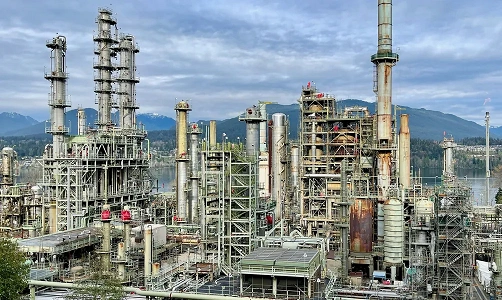
California used to be home to some of the busiest oil refineries in the United States. For decades, these facilities turned crude into gasoline, diesel, jet fuel, and other products that kept cars moving and industries running.
Today, however, a growing number of those refineries have shut down, scaled back operations, or announced plans to permanently close. That has real consequences for fuel supply, prices at the pump, local jobs, and the future of energy in the region.
But this isn’t just a story about energy markets. It’s a story about regulation, environmental goals, aging infrastructure, economics, and a state that is transitioning away from fossil fuels faster than most places in the country.
Here’s why so many refineries are closing in California.
California’s Fuel Regulations Are Among the Strictest
California requires a special gasoline formula — called CARB fuel — designed to reduce air pollution. This low-emission gasoline is cleaner for the environment but much more complex and costly to produce than standard fuel.
Refineries must invest in expensive equipment and processes to meet these standards. For some operators, those costs outweigh profits, especially when market conditions tighten.
Refining in California is simply more expensive than in many other states.
High Operating Costs Eat Into Profitability
Refineries are expensive to run even in good times.
In California, costs are especially high because of:
- Expensive labor and union wages
- Strict environmental compliance requirements
- High energy prices
- Complex permitting and legal hurdles
All these factors make California refining more costly than in regions with lower wages and looser regulations. When profit margins shrink — due to global oil price shifts or lower demand — refineries become less financially viable.
Demand for Gasoline Is Falling
Gasoline consumption in California has been declining for years, partly due to:
- More fuel-efficient vehicles
- Electric vehicle adoption
- Remote work reducing commuting
- Higher fuel prices changing driving behavior
With fewer gallons needed statewide, demand for refined products drops. Refineries built for high volumes struggle when their output can’t be sold profitably.
This isn’t unique to California, but it’s especially pronounced here.
Climate Goals Are Forcing a Transition
California’s leadership on climate policy plays a major role.
The state has set ambitious targets for reducing greenhouse gas emissions and transitioning to cleaner energy sources. These include:
- Aggressive renewable energy mandates
- Low-carbon fuel standards
- Zero-emission vehicle goals
- Plans to cut fossil fuel use over time
Refineries are major sources of carbon emissions. As California moves toward electric vehicles and cleaner fuels, the long-term demand for conventional gasoline and diesel shrinks.
That makes long-dated refinery investments riskier.
Some companies choose to exit the market rather than invest in retrofits or uncertainty.
Competition From Lower-Cost Refineries
Refiners in the Gulf Coast and abroad operate under very different economic conditions:
- Lower labor costs
- Less stringent regulations
- Easier access to cheap crude
- Larger scale facilities
These advantages let other refineries produce fuel more cheaply and ship it into California when needed.
That external competition squeezes local refineries’ profits even further.
Aging Facilities and Infrastructure Costs
Many California refineries are old.
They were built in the mid-20th century and weren’t designed for modern environmental requirements or fluctuating demand patterns. Upgrading older equipment to meet new standards — or replacing it entirely — is astronomically expensive.
For some operators, it simply doesn’t make financial sense to invest billions in retrofits when future demand is uncertain.
So they close instead.
Liability and Regulatory Risk
California’s enforcement environment is strict.
Violations of air quality, water quality, and safety regulations can result in massive fines. Legal challenges from community and environmental groups also create ongoing risk and expense.
Some companies decide the regulatory burden isn’t worth the operational payoff.
The Shift Toward Cleaner Energy Is Already Happening
California’s energy future looks very different from its past.
As electric vehicles grow, renewable electricity expands, and alternative fuels gain traction, demand for refined oil products will continue to drop.
Many fossil fuel companies are shifting investments into cleaner energy, carbon capture, hydrogen, and battery technology. For them, closing or downsizing refineries is part of repositioning their business for a lower-carbon future.
The Bottom Line
Refineries are closing in California because:
- Fuel regulations are costly and complex
- Operating costs are high
- Gasoline demand is falling
- Climate goals pull the economy toward cleaner energy
- Competition from cheaper refineries squeezes profits
- Many facilities are old and expensive to upgrade
- Regulatory risks add financial uncertainty
This isn’t a single “cause.”
It’s a trend driven by economics, policy, markets, and the state’s long-term commitment to reducing fossil fuel dependency.
California isn’t rejecting energy production altogether.
It’s shifting away from the kind of oil-centric refining that once defined its industrial landscape — and toward an energy system built for the 21st century.