Yes — electric bikes are legal in California, but there are specific definitions and requirements you must meet. Not all e-bikes are treated equally, and the law draws lines based on how powerful the motor is, how fast it can go under electric power, and whether the rider pedals or not. As long as your e-bike qualifies under state law, you can ride it on roads and bike paths just like a regular bicycle.
How California Classifies E-Bikes
California recognizes three classes of e-bikes, defined by how the motor works and the top speed under electric assistance:
- Class 1: Pedal-assist only (motor helps only while you pedal), with electric assist cutting out at 20 mph.
- Class 2: Motor-assisted with a throttle (i.e. can use the motor without pedaling), also limited to 20 mph electric top speed.
- Class 3: Pedal-assist only, motor cuts out at 28 mph, and typically required to have a speedometer.
- If your e-bike fits one of these classes — meaning it doesn’t exceed the motor power or speed limits — it’s lawful under California law.
Where You Can Ride an E-Bike
When an e-bike meets the legal definition, you may ride it on streets, bike lanes, and many bike paths. Because these e-bikes count as bicycles (not motor vehicles), they follow the same rules as regular bikes when not in a “motorized vehicle” class. This makes e-bikes a popular, legal option for commuting, errands, and recreation.
Rules and Requirements — Age, Helmet, and More
Depending on your age and the e-bike class:
- Riders under 18 must wear a helmet.
- Class 3 e-bikes often require a speedometer and may be restricted on certain bike paths or trails that prohibit higher-speed bicycles.
- Even for adult riders, wearing a helmet is strongly recommended.
- Local jurisdictions (cities or counties) sometimes add their own regulations — for example, limiting e-bike use in certain parks or restricting motor-assisted bikes from pedestrian-only paths. It helps to check local laws before riding.
What’s Not Allowed — Powerful or Unmodified “Moped-Style” E-Bikes
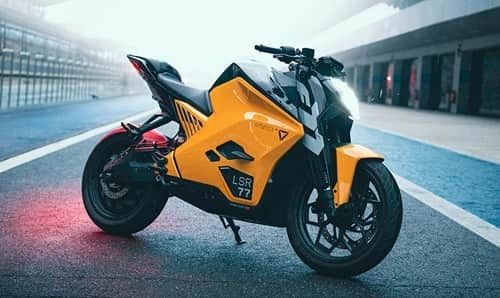
E-bikes that have powerful motors exceeding state limits, that can go faster than the defined 20–28 mph thresholds under electric power, or that allow throttle-only operation above the Class 2 limits — those don’t qualify as legal bicycles. Instead, they’re treated more like mopeds or motorized vehicles, which carry heavier restrictions: registration, licensing, vehicle insurance, and sometimes even outright bans from bike lanes or pedestrian paths.
So if someone modifies a legal e-bike to increase its speed or uses a heavy-duty motor, they risk converting their e-bike into an illegal vehicle under California law.
Why California’s Laws Are Designed This Way
California lawmakers defined e-bike classes to balance accessibility, safety, and traffic flow. They aimed to let people enjoy low-speed, lightweight electric assistance without turning every bike path into a motorized road. By limiting motor power and top speed, the law keeps e-bikes similar in behavior to regular bicycles — easier to control, safer for pedestrians, and less likely to pose the risks associated with motorcycles or mopeds.
Conclusion
In 2026, electric bikes are legal in California — but only when they meet the state’s class definitions for motor power and speed. Class 1, Class 2, and Class 3 e-bikes that comply with those rules are treated like regular bicycles. Be sure to check your bike’s specifications, wear a helmet (especially if under 18), and respect local restrictions. If your e-bike is more powerful or has been modified beyond the legal limits, it may be classified as a motor vehicle, making its legality more complicated.