Yes — snow socks are legal in California, but the way you can use them depends on where you’re driving and what road conditions are in effect. Many drivers assume California’s harsh chain laws mean only metal tire chains are allowed in the mountains. Others believe snow socks count as full replacements in every situation. The truth sits in the middle. Snow socks are legal traction devices, and the state recognizes them, but they are not always accepted as substitutes during certain chain-control levels. California’s Department of Transportation (Caltrans) sets the rules, and the situation varies depending on whether the road is under R1, R2, or R3 chain restrictions.
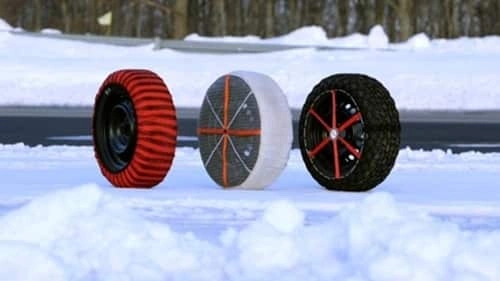
California Allows Snow Socks as Traction Devices
Snow socks are fabric-based traction aids that slip over the tire and improve grip on snow and ice. California does not ban them, and drivers may use them as long as they are appropriate for the conditions. They are especially popular for light snow, icy neighborhoods, and vehicles that cannot use traditional chains. Snow socks are easy to install, lightweight, and gentle on vehicle components. For everyday winter driving outside strict chain-control zones, they are perfectly legal.
Chain-Control Levels Decide Whether Snow Socks Will Be Accepted
California mountain roads use a three-level chain system. When conditions worsen, Caltrans posts signs requiring specific traction devices.
At R1, most vehicles must use chains or approved traction devices unless they have snow tires. Snow socks are generally accepted here because the conditions are moderate.
At R2, the rules tighten. Only vehicles with four-wheel drive and snow tires may proceed without chains. Others must install chains or devices that meet the same performance requirement. Whether snow socks qualify depends on the brand, certification, and Caltrans’ assessment at the time. Some high-performance snow socks are accepted; cheaper, lightweight versions may not be.
At R3, the strictest level, all vehicles — including 4x4s — must use chains. Snow socks are usually not accepted here because R3 conditions require the strength and durability of metal chains. This level is rare, but it does happen during heavy storms.
Snow Socks Must Meet Caltrans Standards to Be Accepted
Even though snow socks are legal, not every product meets California’s performance standards. Caltrans accepts snow socks that comply with recognized traction-device certifications. High-quality fabric traction devices designed for winter mountain driving may be allowed during R1 and sometimes R2 conditions. Cheap universal socks that lack durability or certification are more likely to be rejected. Highway patrol officers and Caltrans workers make the final decision at checkpoints.
Why California Is Cautious About Snow Socks
California’s mountain highways deal with fast-changing conditions, steep grades, and heavy traffic. A traction device that works well in light snow may fail on deep ice or sharp inclines. Snow socks can wear out quickly on asphalt and lose grip if misused. Because of these safety concerns, California only treats them as acceptable under certain conditions. The goal is not to ban them but to make sure the right equipment is used in dangerous weather.
Snow Socks Are Still a Good Winter Option for Many Drivers
For drivers who rarely visit deep-snow areas but still want extra traction in emergencies, snow socks are a practical legal choice. They store easily in the trunk, install quickly, and avoid the weight and rattling of metal chains. Many front-wheel-drive sedans and hybrid cars benefit from snow socks where chains may be difficult to mount. As long as the road is not under an R3 restriction, snow socks often meet the need.
Always Check Road Conditions Before Relying on Snow Socks
Because California’s acceptance of snow socks depends on chain-control levels, drivers should check highway conditions before heading into the mountains. Weather can shift quickly, and a legal snow sock at R1 might not meet requirements an hour later if the road switches to R2 or R3. Keeping chains in the car as backup is recommended for anyone frequently driving into the Sierra Nevada or similar areas.
Conclusion
In 2026, snow socks are legal in California, but they are not always accepted as substitutes for tire chains. They are allowed during normal winter driving and often acceptable under R1 chain controls. Some certified snow socks may be allowed under R2 conditions, while R3 almost always requires metal chains. California’s approach is balanced: snow socks are welcomed as long as they meet safety standards and match the severity of the road conditions.