Sugar gliders are popular pocket pets across the United States, but they are not legal to own in California. Despite their growing popularity online and their presence in many other states, California classifies sugar gliders as restricted wildlife. This means residents may not buy, own, transport, breed, or sell them without a special scientific or exhibition permit. The law applies regardless of how the animal was obtained or whether it was bred domestically. Simply keeping a sugar glider as a household pet violates California wildlife regulations, even if the owner has no intention of releasing it.
Why Sugar Gliders Are Illegal in California
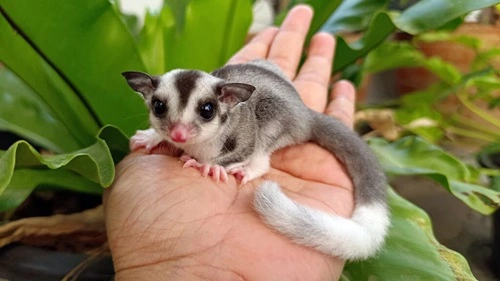
California restricts exotic animals based primarily on environmental risk. Sugar gliders are small marsupials capable of surviving in mild climates, reproducing quickly, and adapting to urban environments in some regions. Wildlife officials believe escaped or released gliders could threaten native bird species, disturb local ecosystems, and establish feral populations. California also considers potential disease risks, since sugar gliders can carry parasites or illnesses transmissible to humans, especially when irresponsibly bred or shipped through unregulated markets. For these reasons, the state keeps sugar gliders on the restricted species list.
What Happens if Someone Owns One
Even if a person buys a sugar glider legally in another state, once it enters California, it becomes illegal to possess. Wildlife authorities can issue fines, seize the animal, and in some cases file misdemeanor charges. Unlike some states that offer personal ownership permits, California does not provide hobbyist or rescue exemptions. Owners are sometimes discovered through social media posts, vet visits, school events, or accidental reports. Once identified, wildlife officers are obligated to enforce the ban, and animals are often removed from the home.
How Sugar Gliders Compare to Other Restricted Pets
California’s rules often seem confusing or harsh, but they follow a consistent pattern: pets that might survive and reproduce in the wild are tightly regulated. Sugar gliders fit into the same prohibited group as other potentially invasive small animals. Here’s how they compare:
| Legal Small Pets | Illegal Small Exotics | Reason for Ban |
| Guinea pigs, mice, rats, chinchillas, hamsters | Sugar gliders, hedgehogs, gerbils, ferrets | Risk of invasive colonies, ecological impact |
Domesticated rodents like hamsters and chinchillas are legal because they cannot survive or spread easily in California ecosystems. Sugar gliders, by contrast, are treated more like ferrets or hedgehogs due to their ability to adapt and reproduce.
Will California Legalize Sugar Gliders?
There have been scattered petitions to change the law, but none have gained legislative traction. Wildlife regulators argue that keeping the ban is more effective than managing invasive populations after they form. Most legislators consider exotic pet reform a low priority compared to broader environmental issues and agriculture protection. Realistically, unless there is a significant shift in scientific evaluation or public policy, sugar gliders are unlikely to become legal in California anytime soon.
Conclusion
Sugar gliders are still illegal to own in California in 2025, even though they are legal, popular, and widely bred in many other states. The ban centers on ecological and public health concerns, not on whether the animal is friendly or suitable as a pet. Anyone living in California who wants a small exotic companion should choose from legal species—such as chinchillas or rabbits—rather than risking penalties and confiscation. In California, loving an animal isn’t enough to make it legal, and understanding wildlife laws is the safest way to avoid trouble.