No, it is not legal to own a raccoon as a pet in California. While raccoons are popular on social media and sometimes kept as pets in other states, California law strictly prohibits private ownership of raccoons. The state treats raccoons as wild, potentially dangerous animals that can threaten public health, bite without warning, and carry serious diseases such as rabies, roundworms, and distemper. Because of these risks, raccoons cannot be kept, sold, imported, transported, or bred as pets in California. Even if a raccoon is orphaned, rescued, hand-raised, or rehabilitated, it is illegal to keep it without proper licensing.
Why California Bans Raccoons as Pets
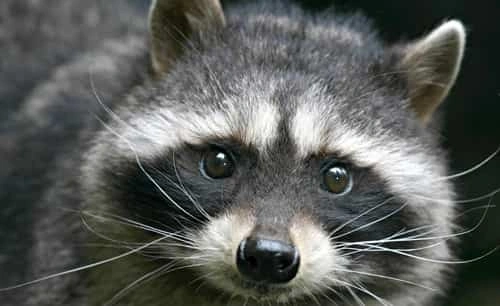
California’s restrictions stem from two main concerns: public safety and environmental protection.
First, raccoons are unpredictable, intelligent wild animals that do not become domesticated simply by living with people. Even bonded raccoons may scratch, bite, or attack without provocation. Their bites and saliva can transmit rabies, which is almost always fatal to humans and can spread to pets and wildlife. They also carry parasites and diseases that humans cannot easily detect.
Second, raccoons are considered a threat to California’s ecosystem if released or escaped. They are opportunistic omnivores capable of outcompeting native species, damaging crops, scavenging livestock feed, and spreading disease. Wildlife officials view private possession as a potential pathway for invasive populations and ecological harm. To reduce these risks, California enforces a strict ban rather than allowing exceptions for household pets.
Legal Basis for the Ban
Raccoons are regulated under California’s Fish and Game Code, which lists restricted mammals that cannot be privately owned without a professional permit. These permits are reserved for scientific research, licensed wildlife rehabilitation, animal control officers, and certain educational or exhibition facilities—not private pet owners. In other words, the law does not allow people to “apply for a raccoon pet permit.” The state also prohibits importing or transporting raccoons into California, even if they were legally obtained in another state.
Additionally, raccoons found injured or abandoned cannot be kept as pets. Only licensed wildlife rehabilitators may temporarily care for them, and once they are recovered or deemed non-releasable, they must either be placed in an approved facility or humanely euthanized if placement is not possible. Keeping a rescued raccoon without authorization is considered illegal possession.
What Happens If Someone Keeps a Raccoon Illegally?
Anyone found with a raccoon in California may face fines, confiscation of the animal, and possible misdemeanor charges. When raccoons are discovered in private homes, state wildlife officials have the authority to seize them. Owners typically do not get the animal back. The raccoon may be transferred to a rehabilitator or sanctuary if eligible, but if not, it can be euthanized. This outcome is one of the reasons wildlife authorities strongly warn against keeping raccoons as pets—the animal ultimately pays the price.
Illegal possession often comes to light when someone posts a raccoon on TikTok or YouTube, takes it to a vet, or a neighbor complains. Veterinarians are required to follow wildlife regulations and may be obligated to report unlawful possession. Attempting to hide a raccoon does not make the possession legal and creates additional risks if the animal becomes sick or injured and cannot receive care.
Can You Get a Permit to Own One?
For private pet ownership, the answer is no. Permits are issued only to professionals with specific roles—researchers, licensed rehabilitators, wildlife educators, and zoo facilities. Simply wanting a raccoon as a pet, even if you believe you can care for it responsibly, does not qualify. California’s permit system is not designed as a workaround for exotic pet enthusiasts; it is intended to regulate wildlife for public benefit and animal welfare.
Legal Alternatives for Animal Lovers
If you are interested in raccoons or wildlife care, the safest option is to volunteer at a licensed wildlife rehabilitation center or support legal wildlife sanctuaries. These organizations often accept volunteers to help feed, clean, and care for injured or orphaned animals under professional supervision. This provides hands-on experience without breaking the law or endangering the animals.
If you are simply looking for a unique pet, California does allow certain exotic species such as some frogs, legal reptiles, and particular small mammals. However, each species has its own rules, and it is essential to research legality before adopting any exotic pet.
Conclusion
In California, it is illegal to own a raccoon as a pet under any ordinary circumstance. The state bans private raccoon ownership to protect public health, prevent ecological damage, and ensure that wild animals are handled only by trained and licensed professionals. There are no legal pet permits for raccoons, and keeping one illegally can lead to fines, confiscation, and harm to the animal. For those fascinated by raccoons, the best legal options are education, volunteering, and supporting licensed wildlife organizations—not private ownership.