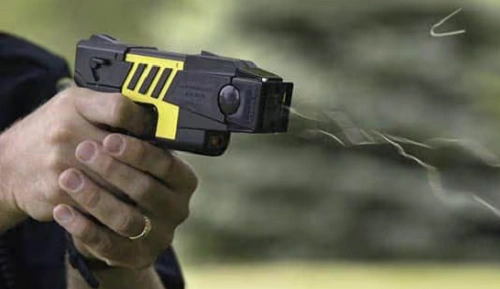
Yes, stun guns and Tasers are legal for most California residents under certain conditions, but there are important restrictions on who can possess them and where they can be used. Many people assume such devices are either completely illegal or entirely unrestricted. The truth lies between: California law permits possession and use of what are known as “conducted energy devices” (CEDs) for lawful self-defense, but only if the person is qualified, not disqualified, and follows location and usage rules. In 2026 you can legally own a stun gun in California — but you must know the limitations.
What the Law Allows?
Under California Penal Code § 22610, civilians may purchase, possess, and use a stun gun or Taser for personal protection, provided they do not fall into certain prohibited categories. Someone who is not a convicted felon, has not committed certain assault crimes, and is not addicted to narcotics may legally own a stun gun. There is no general permit required, unlike firearms. The device can be carried for self-defense use when a person reasonably believes it is needed to prevent harm to themselves or property. Many legal guides list stun guns as among the “legal self-defense weapons” available in California for law-abiding adults.
Who Cannot Legally Have One
Even though stun guns are broadly permitted, California law disqualifies certain individuals from possession. These include people convicted of a felony or an assault crime, individuals who have been convicted of misuse of such devices under section 244.5, and persons addicted to narcotic drugs. Additionally, minors under age 16 cannot legally purchase or possess a stun gun unless the minor is at least 16 and has parental written consent — and the seller has complied with the statute.
Restrictions on Where and How
Possession alone does not guarantee full freedom of use or carry. California statutes and legal commentary indicate that stun guns must still be used in lawful self-defense; misusing them (for example, shocking someone without just cause) may trigger assault or battery charges. Further restrictions apply in certain places: stun guns are prohibited in federal buildings, secured airport areas, some correctional and detention facilities, and schools. Local jurisdictions may also restrict carry in parks, transit facilities, or other “sensitive places.”
Important Practical Considerations
Even though no permit is needed for most adults, you must still verify local regulations before relying on a stun gun as a defensive tool. While one county may allow open carry of a stun gun, another may impose additional ordinances or prosecution priorities. Always ensure the device is legally acquired (purchased from a compliant seller), kept responsibly, and used only in appropriate self-defense situations. Keep in mind: the device itself is only legal; how you use it may transform it into a weapon subject to criminal scrutiny.
Also, if you are traveling with a stun gun or bringing it into a vehicle, treat it like a defensive weapon. Packaging, transport, and carry conditions may affect legality. If you use the device offensively or negligently, you may face more severe charges beyond those specific to CED possession.
Why the Law is Structured This Way
California recognizes that conducted energy devices can provide an alternative to firearms for self-defense. At the same time, the state has a strong interest in preventing misuse, violent assault, and unregulated weapons. The statute strikes a balance: allow law-abiding adults to possess these tools while preventing access by individuals with violent records or addiction, and limiting use in sensitive areas. Guides on self-defense weapons in California explicitly list stun guns alongside pepper spray and certain knives — marking them as lawful but regulated.
Conclusion
In California, stun guns are legal for possession and use by most adults for self‐defense, but the legality comes with clear caveats. You must be at least 16 (with consent) or 18, not disqualified by crime or drug conviction, and you must use the device lawfully. You also must avoid areas that are legally restricted and ensure any purchase and carry follow local rules. The device itself is permitted — what matters most is your personal eligibility and how you carry or use it. If you are considering purchasing or carrying a stun gun in California, treat it with the same care you would a firearm: know the law, verify local rules, carry responsibly, and reserve it strictly for defensive use.