Yes, AR-15s can be legal in California, but not in their normal form. California’s assault-weapon laws ban the traditional AR-15 that most people know from other states. At the same time, the state allows heavily modified versions that follow strict rules. This is where most of the confusion comes from. Some people think AR-15s are completely illegal, while others believe you can buy them freely as long as you change a part or two. The truth lies in the middle. A standard AR-15 with its usual features is banned, but a California-compliant AR-15 with the right configuration is legal. The difference between the two is huge.
California Bans the Traditional AR-15
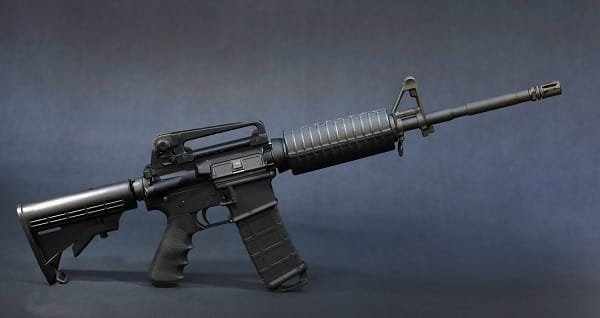
Under California law, a classic AR-15 is considered an assault weapon. A normal AR has features like a pistol grip, detachable magazine, flash suppressor, and adjustable stock. Those traits, when combined, make the rifle illegal to buy, sell, possess, import, or transfer in California. The state banned these rifles decades ago, and the registration windows for older models closed years back. Because those deadlines are long gone, almost nobody can own a legally registered “true” AR-15 today. Anyone who tries to bring one into California risks criminal charges, confiscation, and fines.
Why the AR-15 Is Banned in Its Standard Form
California’s assault-weapon ban focuses on rifles that are capable of quick firing, easy reloading, and high maneuverability. The AR-15 platform fits that description. Lawmakers targeted features that make repeated firing fast and simple — like detachable magazines, forward grips, pistol grips, and collapsible stocks. In the state’s view, these traits together create a rifle that is too dangerous to allow in everyday civilian use. That’s why California blocks the sale of standard AR-15s and requires all legal versions to remove those defining features.
California-Compliant AR-15s Are Legal With Major Modifications
Even though the traditional version is banned, California still allows legal AR-15 variants known as “featureless” rifles. These rifles remove or change the features that the law considers dangerous. Owners replace the pistol grip with a fin grip or alternative grip that does not allow a pistol-style hold. They install a fixed stock instead of an adjustable one. They remove the flash suppressor and use a legal muzzle brake. Most importantly, the rifle must either have a fixed magazine that cannot be removed without disassembling the action or be built completely “featureless” so the magazine can remain detachable.
These changes completely alter the feel and handling of the rifle, but they keep it legal under state law. Gun shops across California sell these compliant versions, and thousands of residents own them without issues. The rifle still functions, but it must follow California’s definition of a non-assault-weapon.
Fixed-Magazine Builds Are Another Legal Option
Some Californians choose to keep familiar features like a pistol grip, but they must lock the magazine into the rifle. A fixed-magazine AR-15 requires the action to be partially opened or disassembled to remove the magazine. This satisfies California’s “fixed magazine” requirement. As long as the magazine cannot be removed at the touch of a button, the rifle is not considered an assault weapon. These builds are allowed, but they are slower to reload and require strict adherence to the legal definition of “fixed.”
Buying, Selling, and Importing AR-15s in California
California gun stores are allowed to sell AR-15-style rifles, but only if the rifles already meet state compliance requirements. A standard AR-15 from another state cannot be imported, even if someone plans to modify it later. It must enter the state already compliant. Private-party transfers follow the same rule. Anyone who purchases an AR-15 legally in California must pass background checks, observe waiting periods, and ensure the rifle meets the state configuration throughout ownership.
Owning a Non-Compliant AR-15 Can Lead to Criminal Charges
Possessing a traditional AR-15 without registration is treated as possession of an illegal assault weapon. Penalties can include felony charges, fines, and weapon seizure. Intent does not matter — simply having the rifle is enough for a violation. California courts and law enforcement take these cases seriously, and owners are expected to know the exact configuration of their firearms.
Conclusion
In 2026, AR-15s are legal in California only when built in a state-approved, California-compliant form. The classic AR-15 with its standard features is banned and cannot be bought, sold, or imported. But modified versions — featureless builds and fixed-magazine builds — remain legal as long as they follow every requirement of California law. The state’s approach is firm: block traditional AR-15 rifles but allow tightly controlled, heavily modified versions for lawful ownership. If built correctly, an AR-15 can be legal in California, but the rules leave no room for mistakes.