California has always been a place of big dreams. Hollywood glamour. Silicon Valley innovation. Ocean views, mountain escapes, and year-round sunshine. But along with that lifestyle comes a price tag that shocks many newcomers — and even longtime residents.
So why, exactly, is California so expensive?
The short answer – it’s a mix of housing shortages, high demand, taxes, regulations, and geography.
Let’s break it down.
Housing: The Biggest Cost Driver
If there’s one factor that towers over everything else, it’s housing.
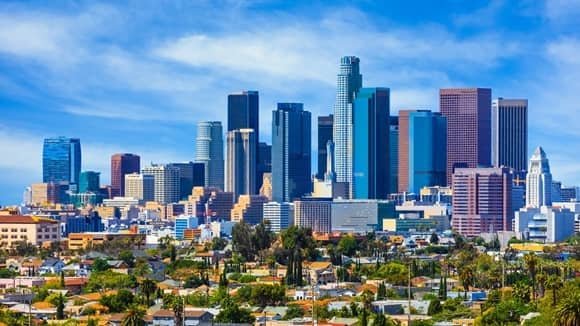
California simply doesn’t build enough homes for the number of people who want to live there. Decades of strict zoning laws, environmental reviews, and local opposition to new developments have slowed construction to a crawl. At the same time, cities like Los Angeles, San Francisco, San Diego, and San Jose remain magnets for high-paying jobs.
When demand far exceeds supply, prices soar. Rents climb. Home values skyrocket. Even modest apartments can cost more than luxury units in many other states.
This housing crunch spills into every part of life. Higher rent means workers need higher wages. Businesses raise prices to cover payroll. Everything becomes more expensive downstream.
High Incomes Create High Prices
California is home to some of the richest industries in the world — tech, entertainment, biotech, and finance. Silicon Valley alone produces thousands of six-figure salaries every year.
That money doesn’t stay isolated.
High earners compete for the same housing, groceries, restaurants, and services as everyone else. Sellers price their goods accordingly. Over time, the entire market adjusts upward, making it harder for middle- and lower-income residents to keep up.
In simple terms: when many people can afford more, prices rise for everyone.
Taxes Add Another Layer
California has one of the highest state income tax rates in the country. Sales taxes are also above average, and gas taxes are among the highest nationwide.
While these taxes fund public services, infrastructure, and social programs, they also increase the day-to-day cost of living. Businesses pass higher tax burdens on to customers. Residents feel it at the checkout counter and on their pay stubs.
Property taxes are somewhat moderated by Proposition 13, but newer buyers often pay steep prices just to enter the market.
Regulations Increase Business Costs
California is known for strong labor protections and environmental rules. Minimum wages are high. Employers must provide paid sick leave and meet strict workplace standards. Environmental regulations affect everything from construction to energy use.
These policies have real benefits. Workers are better protected, and the environment is taken seriously.
But they also make operating a business more expensive. Those costs eventually show up in higher prices for food, housing, utilities, and services.
Geography Limits Growth
Unlike many states that can expand outward freely, California faces natural barriers.
The Pacific Ocean blocks westward growth. Mountains and protected lands limit expansion elsewhere. Large areas are prone to wildfires, earthquakes, or water shortages.
This geography constrains where people can live and build, tightening housing supply even further and pushing prices higher in urban cores.
Desirability Still Matters
Despite everything, people still want to live in California.
The weather is mild. The job market is strong. Cultural opportunities are endless. Beaches, deserts, forests, and ski resorts are all within driving distance.
That lifestyle appeal keeps demand high, even as costs rise. Many residents decide the premium is worth it.
The Bottom Line
California isn’t expensive by accident. It’s expensive because millions of people compete for limited housing in one of the world’s most desirable regions, powered by high-paying industries, shaped by strict regulations, and constrained by geography. Add taxes and long-term underbuilding, and you get today’s reality.
For some, California offers unmatched opportunity. For others, the costs outweigh the benefits.
Either way, the state’s high prices reflect a simple truth: when demand stays strong and supply stays tight, living here will always come at a premium.