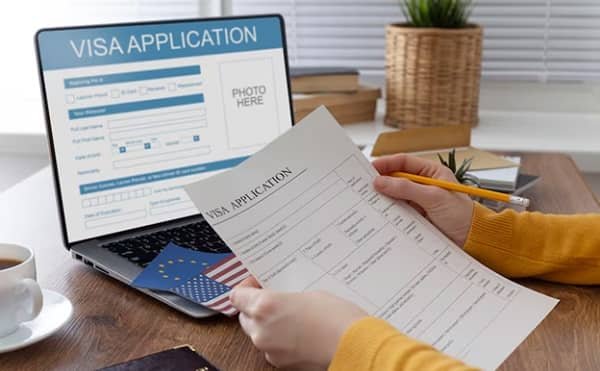
Applying for a student visa can feel exciting one minute and overwhelming the next.
You’ve probably imagined what it would be like to study in the United States, meet new people, experience a different culture, and work toward your career goals. But somewhere between receiving your acceptance letter and starting the visa application, the questions begin.
“What if my visa gets denied?”
“Did I fill out the forms correctly?”
“What if I get nervous during the interview?”
If these thoughts have crossed your mind, you’re not alone.
Every year, thousands of international students go through the same process, and it’s completely normal to have concerns.
The good news is that many student visa worries come from uncertainty rather than actual problems. Once you understand what immigration officers are looking for and how to prepare, the process becomes much easier to manage.
Let’s answer some of the questions students ask most often.
Do I Need an Immigration Lawyer to Apply for a Student Visa?
Not every student needs legal representation.
If your application is straightforward, your documents are complete, and you meet all the eligibility requirements, you may be able to complete the process without major difficulties.
However, some situations are more complicated than others.
For example, students applying for vocational or non-academic programs may decide to consult an m-1 visa attorney in Atlanta if they have questions about eligibility, required documentation, previous immigration history, or application procedures. Professional guidance can also be valuable if you’ve experienced visa issues in the past or simply want someone to review your application before submission.
Seeking legal advice doesn’t mean something is wrong with your case. Many students simply want peace of mind before making such an important move.
What Happens If I’ve Had Immigration Problems Before?
This is one of the biggest fears students have, especially if they’ve previously overstayed a visa, received a denial, or experienced another immigration issue.
The important thing to remember is that every situation is different.
A previous immigration problem doesn’t automatically mean your future plans are over. Depending on your circumstances, there may be legal options available.
For example, applicants with certain inadmissibility issues sometimes work with a Form I-601 waiver attorney in Atlanta to determine whether a waiver is available and what evidence may be needed to support their application.
Rather than assuming the worst, it’s always better to understand your legal options before making decisions.
Trying to hide previous immigration history is never a good idea. Immigration authorities have access to extensive records, and honesty throughout the process is essential.
What If I Get Nervous During the Visa Interview?
Here’s something many students don’t realize.
Visa officers expect applicants to be nervous.
For many students, it’s their first immigration interview, and they’re answering important questions that could affect their future. Feeling anxious doesn’t automatically hurt your chances.
What matters much more is being prepared.
Before your interview:
- Review your application carefully.
- Understand why you chose your school.
- Be familiar with your study program.
- Know how your education will support your future goals.
- Answer questions honestly instead of trying to memorize perfect responses.
Remember, the interview isn’t designed to trick you.
It’s an opportunity for the visa officer to better understand your application and confirm the information you’ve already submitted.
How Much Money Do I Need to Show?
Financial documentation is another area that causes a lot of stress.
Students often worry they’ll either provide too little information or submit the wrong documents altogether.
Generally, immigration officers want to see that you have sufficient financial resources to pay for your tuition, living expenses, and other educational costs without relying on unauthorized employment.
Common financial documents include:
- Recent bank statements
- Scholarship letters
- Sponsorship affidavits
- Education loan documents
- Proof of family income
Make sure every financial document is current, organized, and consistent with the information provided in your application.
Will One Small Mistake Automatically Get My Visa Denied?
This is probably one of the most common misconceptions students believe.
Many applicants think a single typo or minor error means their entire application will immediately be rejected.
Thankfully, immigration decisions aren’t usually based on one small mistake alone.
However, incomplete applications, inconsistent information, or missing documents can delay processing or create additional questions.
That’s why it’s worth reviewing every form carefully before submitting it.
A simple checklist can help:
- Double-check names and passport numbers.
- Confirm dates are accurate.
- Make sure every required section is completed.
- Verify that supporting documents match your application.
- Review everything one final time before filing.
Spending an extra hour reviewing your paperwork is much easier than correcting mistakes after your application has already been submitted.
Can I Work While Studying in the United States?
This is one of the first questions many students ask, and for good reason. Studying abroad can be expensive, so it’s natural to wonder if you’ll be able to earn some money while completing your education.
The answer depends on your visa type and the specific rules that apply to it.
Some students may be eligible for certain types of employment, while others must receive authorization before accepting any work. The important thing is to understand the conditions of your visa before making employment decisions.
Working without proper authorization can create serious immigration problems that may affect your current status and even future immigration applications.
If you’re unsure about what’s allowed, ask your school’s international student office or speak with an immigration professional before accepting a job.
What If My Student Visa Application Is Denied?
Hearing the word “denied” is enough to make anyone anxious.
But a visa denial doesn’t always mean you’ve reached the end of the road.
Sometimes applications are refused because additional documentation is needed. In other situations, applicants may need to strengthen their financial evidence or better explain their educational goals during a future interview.
The first step is understanding why the application wasn’t approved.
Once you know the reason, you can determine what needs to be corrected before reapplying. Depending on your circumstances, professional legal guidance may also help you understand what options are available moving forward.
The key is not to panic or make assumptions before reviewing your case carefully.
How Can I Improve My Chances of Approval?
There’s no guaranteed formula for getting a student visa approved.
However, there are several things successful applicants tend to have in common.
They prepare early.
They organize their documents.
And they make sure every part of their application is complete before submitting it.
Some helpful tips include:
- Submit accurate and truthful information.
- Keep all supporting documents organized.
- Practice answering common interview questions.
- Understand your study program and career goals.
- Demonstrate that you meet the financial requirements.
Immigration officers aren’t looking for perfect applicants. They’re looking for honest, well-prepared applicants whose documentation supports their case.
What Should I Do After My Visa Is Approved?
Getting your visa approved is a huge milestone, but it isn’t the final step.
There are still several things to prepare before traveling.
Create a checklist that includes:
- Confirming your travel arrangements.
- Organizing important immigration documents.
- Keeping copies of your passport and visa.
- Reviewing your school’s orientation schedule.
- Understanding the rules attached to your student status.
It’s also a good idea to carry important documents in your hand luggage instead of packing them in checked baggage.
Being organized before departure can make your arrival in the United States much less stressful.
What Mistakes Should Students Avoid?
Some immigration mistakes are surprisingly common.
Fortunately, they’re also preventable.
Try to avoid:
- Waiting until the last minute to prepare documents.
- Providing inconsistent information.
- Using outdated immigration forms.
- Missing interview appointments.
- Ignoring emails or notices from immigration authorities.
- Working without proper authorization.
- Assuming advice from friends applies to your own case.
Remember, every immigration case is unique. Just because something worked for someone else doesn’t necessarily mean it applies to your situation.
Relying on official resources and experienced legal guidance is always the safer approach.
It’s Okay to Feel Nervous
Many students believe they’re the only ones feeling overwhelmed by the immigration process.
They’re not.
Almost everyone experiences some level of uncertainty before applying for a student visa.
You’re making a major life decision.
You’re planning to move to a different country.
You’re investing in your education and future career.
Of course it feels like a big deal.
Instead of letting that anxiety take over, focus on what you can control. Stay organized, prepare your documents carefully, ask questions when something isn’t clear, and give yourself enough time to complete each step properly.
Confidence doesn’t come from knowing every answer.
It comes from being prepared.
Wrap up!
Every student has questions before starting the visa process, and that’s completely normal. The important thing is finding reliable information instead of relying on rumors or frightening stories shared online.
With careful preparation, organized documentation, and a clear understanding of the requirements, many of the challenges students worry about can be avoided before they become real problems.
Whether you’re applying for the first time or dealing with a more complex immigration matter, having experienced legal guidance can make the journey much less stressful.