Yes — raw (unpasteurized) milk and some raw dairy products are legal in California, but only under strict regulatory conditions. The state allows the sale of raw milk for human consumption as long as producers hold the proper permits, meet health and sanitation standards, and include a mandatory health-risk warning on the label. These conditions ensure that raw milk remains legal but regulated, not freely unmonitored.
What California Requires for Raw Milk Sales
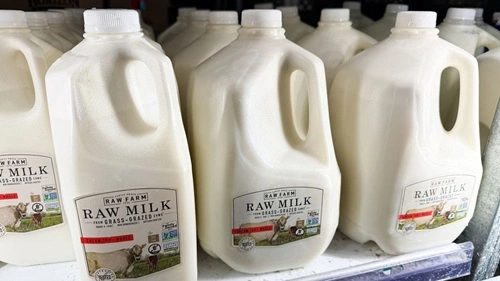
The California Department of Public Health (CDPH) explains that raw milk and raw dairy products can be legally sold in California, but the law mandates specific labeling:
“WARNING: Raw (unpasteurized) milk and raw milk dairy products may contain disease-causing microorganisms …”
In addition, raw milk producers must be licensed through the California Department of Food and Agriculture (CDFA) and comply with sanitation rules, livestock health testing (for diseases like brucellosis and tuberculosis), and strict packaging, storage, and inspection requirements.
Consumer Risk and Government Advice
The CDPH also states that raw milk is inherently riskier than pasteurized milk because it may contain harmful bacteria—such as E. coli, Salmonella, Listeria—that can cause serious illnesses. The federal U.S. Food and Drug Administration (FDA) echoes these concerns, warning consumers about the health risks of unpasteurized dairy. Consumers at higher risk, including pregnant women, infants, older adults, and those with weakened immune systems, are advised against consuming raw milk.
Legal Sale vs. Home‐sharing or Undeclared Distribution
While the legal sale of raw milk is permitted under regulation, California law prohibits raw milk distribution by producers who do not hold required permits or who deliver raw milk without meeting standards. For example, raw milk produced for resale must conform to California’s dairy regulations. Producers who violate these rules may face misdemeanor penalties. A “herd-share” arrangement has been a point of debate nationwide, but California’s regulatory framework focuses on licensed sales—meaning unlicensed sharing or distribution can still lead to legal issues.
Conclusion
In California, raw milk is legal, but only when produced, labeled, sold, and stored according to strict state dairy laws. Consumers can legally purchase it if they buy from a licensed producer and the product bears the required warning label. But raw milk is not unregulated: producers must meet significant health, safety, and labeling standards, and the risks associated with consumption remain high. Anyone purchasing or supplying raw milk should be fully aware of both their rights and the responsibilities under California law.