California didn’t slowly grow into what it is today. It exploded.
In the late 1840s, this region was a quiet frontier with scattered settlements, ranches, and missions. Then, almost overnight, it became the center of global attention. Ships flooded its harbors. Trails filled with wagons. People crossed oceans and deserts chasing a single dream: gold.
The discovery of gold didn’t just make a few lucky miners rich. It reshaped California’s population, economy, politics, and identity in ways that still define the state today. Without the Gold Rush, California would likely have developed slowly, like many other western territories.
Instead, it was thrust into history at full speed.
Here’s why that moment mattered so much.
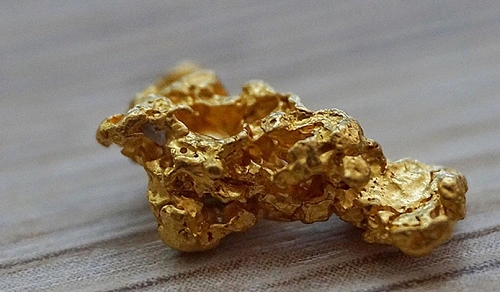
It Turned a Remote Territory Into a Boom Region Overnight
Gold was discovered in January 1848 at Sutter’s Mill, near Coloma.
Once news spread, everything changed.
By 1849, hundreds of thousands of people — known as “Forty-Niners” — poured into California from the eastern United States, Latin America, Europe, and Asia. Some arrived by ship. Others crossed mountains and deserts on foot.
California’s population exploded in just a few years.
Small villages became towns. Towns became cities. What had been a quiet edge of America suddenly became one of its busiest regions.
It Fast-Tracked California Into Statehood
Before gold, California was a newly acquired U.S. territory with little political weight.
After gold, it was too important to ignore.
The rapid population growth pushed Congress to act. California became a U.S. state in 1850 — just two years after the gold discovery. That’s extraordinarily fast by historical standards.
Gold forced the issue.
Without it, California might have remained a territory for decades.
It Built San Francisco and Other Major Cities
The Gold Rush transformed San Francisco from a sleepy port into a booming metropolis almost overnight.
Ships packed the harbor. Businesses sprang up to supply miners. Banks, hotels, warehouses, and newspapers followed. Other cities like Sacramento and Stockton also grew rapidly as supply hubs.
Even people who never found gold made money selling food, tools, clothing, and transportation.
The real winners of the Gold Rush weren’t always miners.
They were merchants.
It Created California’s Economy
Gold brought capital.
That money funded roads, ports, farms, railways, and early industries. Banking systems emerged. Trade networks expanded. Agriculture grew to feed the swelling population.
California’s economic foundation — commerce, farming, shipping, and finance — was built during this period.
The state learned early how to attract investment and opportunity.
That entrepreneurial spirit still defines California today.
It Made California One of the Most Diverse Places in America
People came from everywhere.
Chinese laborers. Mexican miners. European immigrants. Americans from every state. Communities formed side by side, creating one of the earliest multicultural societies in the U.S.
This diversity wasn’t always treated fairly — discrimination and violence were common — but the global migration permanently shaped California’s culture.
The state’s rich mix of languages, food, traditions, and communities traces directly back to the Gold Rush era.
It Changed Land Ownership and Agriculture
As miners settled or moved on, land was claimed, bought, and farmed.
Large-scale agriculture took root in the Central Valley. Ranching expanded. Water systems were built to support crops. California began its transformation into America’s agricultural powerhouse.
Gold started the population surge.
Farming sustained it.
It Accelerated Infrastructure Development
To support the booming population, California had to build fast:
- Roads through mountains
- Ports along the coast
- Rail connections to the rest of the country
- Cities with schools, courts, and governments
The Gold Rush forced rapid modernization.
California didn’t slowly evolve.
It sprinted.
It Shaped California’s Identity as a Land of Opportunity
Perhaps most importantly, the Gold Rush created California’s mythos.
It became known as a place where bold risks could pay off. Where newcomers could reinvent themselves. Where fortunes could be made.
That idea never disappeared.
Later generations chased Hollywood dreams, tech startups, and real estate booms — all echoes of the original gold fever.
California became a symbol of possibility.
But It Also Came With Heavy Costs
The Gold Rush brought devastation to Native American communities, environmental damage from mining, and lawlessness in early settlements.
Rivers were poisoned. Forests were cut down. Indigenous populations were displaced or killed.
These consequences are part of the story too.
Progress came at a high price.
The Bottom Line
The Gold Rush was important to California because it transformed a remote territory into a thriving state almost overnight. It drove massive immigration, accelerated statehood, built major cities, created the economy, and shaped California’s identity as a place of opportunity and reinvention.
Without gold, California would still exist.
But it wouldn’t be the California we know today.
The rush didn’t just uncover metal in the ground.
It uncovered a future.