For decades, menthol cigarettes were everywhere in California — at gas stations, corner stores, and behind pharmacy counters. Then, almost suddenly, they disappeared.
Smokers were confused. Retailers were frustrated. Visitors wondered why a legal product in most of the country was no longer available here. Some people assumed it was political theater. Others thought it was about punishing smokers.
The real story is more deliberate — and much older.
California didn’t wake up one morning and decide to ban menthol. The move came after years of research, public health campaigns, and mounting evidence that menthol plays a unique role in keeping people addicted to cigarettes — especially young people and marginalized communities.
This wasn’t just about flavor.
It was about addiction, marketing, and long-term health outcomes.
Let’s break down why California took this step.
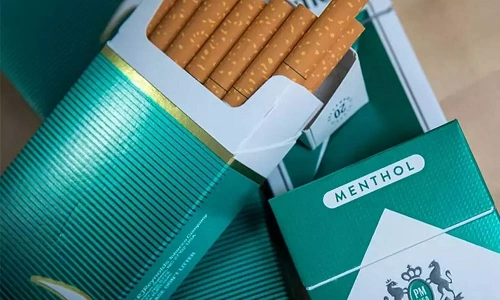
Menthol Makes Cigarettes Easier to Start — and Harder to Quit
Menthol isn’t just a taste preference.
It cools the throat and reduces the harshness of smoke. That makes the first cigarettes easier to tolerate, especially for beginners. It also deepens nicotine dependence, making quitting more difficult.
Public health researchers have long shown that menthol smokers tend to:
- Start younger
- Smoke more consistently
- Have lower quit success rates
In simple terms, menthol smooths the on-ramp into smoking and reinforces the habit once it forms.
California lawmakers saw menthol as an addiction accelerator.
The Ban Is Part of a Broader Flavored Tobacco Law
Menthol cigarettes were banned under California’s flavored tobacco law, originally passed in 2020 and later upheld by voters in 2022.
The law prohibits the retail sale of most flavored tobacco products, including menthol cigarettes and flavored e-cigarettes.
The goal was straightforward: reduce youth initiation and long-term addiction by removing products that make tobacco more appealing.
Fruit flavors, candy flavors — and menthol — all fell under the same umbrella.
Menthol wasn’t singled out alone. It was included because of its proven role in attracting new smokers.
Youth Smoking Was a Major Concern
Flavors are one of the strongest drivers of youth tobacco use.
Studies showed that most teens who tried cigarettes or vapes started with flavored products. Menthol, in particular, was often described by young users as “smoother” or “less harsh.”
California already spends billions treating smoking-related diseases. Officials decided prevention was cheaper — and more humane — than cleanup.
Stopping kids from starting became a central focus.
Targeted Marketing Played a Big Role
Another uncomfortable truth influenced the ban.
For decades, menthol cigarettes were aggressively marketed in low-income neighborhoods and communities of color, especially Black communities. Billboards, discounts, and store placements weren’t random — they were strategic.
As a result, menthol use became disproportionately high in certain populations, leading to higher rates of tobacco-related illness.
California health officials viewed this as a public health equity issue, not just a lifestyle choice.
The ban aimed to interrupt that cycle.
The Law Targets Sales — Not Possession
This part matters.
California did not criminalize smoking menthol cigarettes.
People are not arrested for having them.
The law focuses on retail sales. Stores can’t sell menthol cigarettes, but individuals aren’t punished for possessing or using them.
The burden is placed on manufacturers and sellers, not smokers.
California Has a Long History of Anti-Smoking Policy
California has been a national leader in tobacco control for decades.
It raised cigarette taxes early. It banned indoor smoking long before most states. It invested heavily in public education campaigns.
Menthol was seen as the next logical step in a long-term strategy to reduce smoking-related disease.
The state wasn’t trying to be radical.
It was continuing a pattern.
Supporters See It as Life-Saving Prevention
Health advocates argue the ban will:
- Reduce youth smoking
- Help current smokers quit
- Prevent thousands of future cancer cases
- Lower healthcare costs
They point to evidence from other regions showing flavored tobacco bans lead to measurable drops in cigarette sales and youth usage.
From this perspective, the policy isn’t about control.
It’s about prevention.
Critics Say It Limits Choice and Creates Black Markets
Opponents argue adults should be free to choose legal products and warn that bans can drive underground sales.
Some retailers lost revenue. Some smokers now buy menthol products out of state or online.
These concerns are real — and part of the ongoing debate.
But California weighed those risks against long-term public health costs and chose to move forward.
The Bottom Line
Menthol cigarettes were banned in California because menthol makes smoking easier to start and harder to quit, plays a major role in youth initiation, and has been heavily marketed to vulnerable communities.
The state didn’t ban them to punish smokers.
It banned them to reduce addiction at the source.
California chose prevention over convenience — betting that fewer flavored cigarettes today means fewer cancer diagnoses tomorrow.
Whether other states follow remains to be seen.
But for California, the message is clear: when it comes to tobacco, the era of flavored addiction is over.