This surprises a lot of people, you buy a pickup or small truck for personal use — groceries, home projects, maybe weekend trips — and suddenly your registration paperwork says “commercial.” The fees are higher. The paperwork feels heavier. And you’re left wondering what you did wrong.
In California, many trucks are classified as commercial by default, even when they’re used only for personal driving. It’s a policy choice made by the California Department of Motor Vehicles, and it has more to do with vehicle type than how you actually use it.
Here’s what’s really going on.
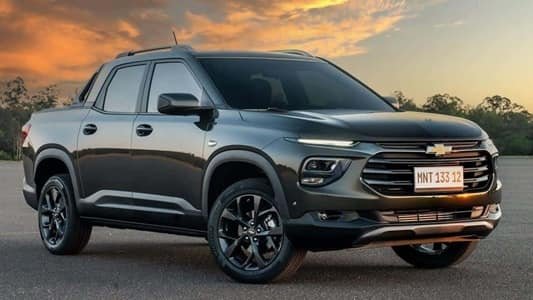
California Classifies Most Pickup Trucks as Commercial
This is the big one.
If your vehicle is designed to carry property — which includes nearly all pickup trucks — California automatically treats it as a commercial vehicle for registration purposes.
It doesn’t matter if:
- You never haul tools
- You don’t run a business
- You only drive it for personal errands
If it has an open bed or is built to transport cargo, California usually puts it in the commercial category.
Other states often register pickups as passenger vehicles.
California doesn’t.
It’s Based on Vehicle Design, Not Your Lifestyle
A common misunderstanding is that “commercial” means “business.”
In California, it mostly means capable of hauling goods.
So vehicles like:
- Pickup trucks
- Flatbeds
- Some vans
- Utility-style vehicles
are tagged commercial because of how they’re built — not because you’re running a company.
Even retirees and families end up with commercial plates simply because of the truck they drive.
Weight Ratings Matter Too
Another factor is gross vehicle weight rating (GVWR).
Heavier vehicles are more likely to be classified as commercial. Many full-size pickups cross California’s weight thresholds automatically.
Once that happens, the DMV applies commercial registration rules, including weight-based fees.
That’s why larger trucks often cost more to register.
California Uses Weight-Based Registration for Trucks
Passenger cars pay fairly flat registration fees.
Commercial vehicles don’t.
Truck fees rise based on declared or rated weight. The heavier your vehicle, the higher the cost.
This system exists because heavier vehicles cause more wear on roads and infrastructure. California uses truck registrations to help offset that maintenance.
So even personal-use pickup owners end up paying into that system.
Commercial Registration Doesn’t Mean Commercial Insurance
Here’s some good news.
Being commercially registered does not automatically mean you need commercial auto insurance.
If you’re using the truck strictly for personal reasons, you usually keep standard personal auto insurance. Registration status and insurance type are separate.
Unless you actually run a business with the truck, your insurer typically treats it like any other personal vehicle.
You Can’t Easily Change It to Passenger Status
Many people try.
Unfortunately, most pickups can’t be reclassified as passenger vehicles in California unless they’re permanently modified (for example, converted into a camper with fixed living facilities).
Simply adding a bed cover or saying “personal use” won’t change the DMV classification.
It’s baked into the vehicle type.
Why California Does It This Way
California has chosen this approach for a few reasons:
- Road wear tracking
- Emissions oversight
- Weight-based fee collection
- Standardized vehicle categories
It’s a regulatory system that treats trucks as utility vehicles first, personal vehicles second.
Is it annoying? For many owners, yes.
Is it intentional? Absolutely.
The Bottom Line
Your truck is registered as a commercial vehicle in California because pickups and cargo-capable vehicles are automatically classified that way — regardless of personal use. The DMV bases it on vehicle design and weight, not whether you own a business.
It doesn’t mean you’re doing commercial work.
It just means California sees your truck as a working vehicle by default.