No, you generally cannot record a private conversation in California without the consent of every person involved. California is a two-party (all-party) consent state, which means secret recording is usually illegal. Many people assume they can record calls or conversations as long as they personally are part of them, but California law disagrees. Recording someone without their knowledge can lead to civil lawsuits, criminal charges, and the illegal recording being banned as evidence in court. The law is designed to protect privacy, whether the conversation happens in person, over the phone, or through digital communication.
California’s “All-Party Consent” Rule
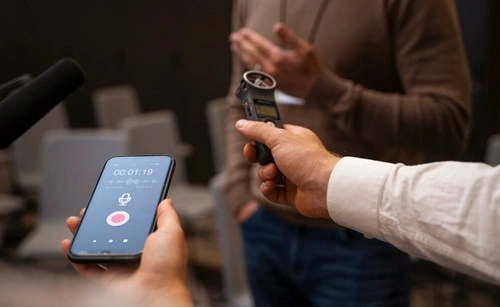
California Penal Code § 632 makes it a crime to intentionally record a confidential communication without permission from all participants. A conversation is considered confidential if people reasonably expect privacy when speaking. The rule covers:
- Phone calls
- In-person conversations
- Video or audio recordings
- Communications over messaging with voice or video
If someone believes they are in a private discussion, you must notify them of any recording.
When Recording Is Legal
Recording is legal when every participant gives consent. Consent can be verbal or written, though many businesses use automatic prerecorded notices such as:
“This call may be recorded for quality assurance.”
If a person continues the call after hearing the message, that counts as consent. Recordings can also be lawful if the conversation happens in a setting with no reasonable expectation of privacy — for example, a loud public event or a conversation clearly intended to be overheard.
When Recording Is Illegal
It is illegal in California to secretly record conversations where people expect privacy, including:
- Private phone calls
- Meetings in offices
- Conversations in homes
- Video chats or online calls
- Private discussions in restaurants or cars
Even if you are one of the speakers, you must still get consent. Violating the law may result in jail time, fines, and civil penalties up to $5,000 per person recorded, plus possible damages in a lawsuit.
Workplace Recording Rules
Employees cannot secretly record supervisors, coworkers, or customer conversations in most situations. Employers cannot secretly record workers, either. Businesses must clearly notify people if calls are monitored or recorded. Secret workplace recording can lead to termination and legal action, even if the person was trying to gather evidence for harassment or discrimination claims.
Law Enforcement Exception
Police have separate rules and may record without consent in specific situations, but even law enforcement must follow court-authorized procedures. Civilians cannot rely on police exceptions for personal recordings.
Can You Record to “Protect Yourself”?
Many assume they can secretly record conversations in self-defense, such as exposing harassment, threats, or discrimination. California law does not grant a general self-protection exception. Without consent, such recordings may still be illegal, though they might be used indirectly in court to show why a report was made. If someone is in immediate danger, different criminal-evidence exceptions may apply, but these are narrow and risky to rely on without legal advice.
Conclusion
In California, it is only legal to record a conversation if all parties consent or the discussion occurs in a space where there is no expectation of privacy. Secret recording remains a crime even if you participate in the conversation. To stay on the right side of the law, always ask for permission before recording, especially in phone calls, business settings, or private discussions. In California, consent is not just polite—it is legally required.