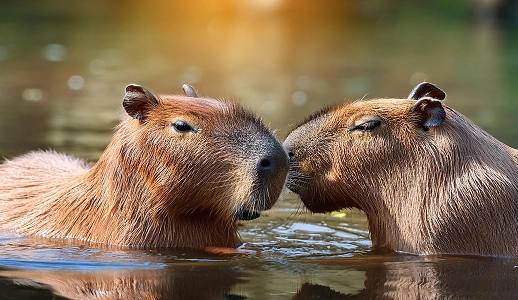
No, capybaras are not legal to own as pets in California in 2025. While these giant, gentle rodents have become internet sensations and are kept as exotic pets in some other states, California law strictly forbids private ownership of capybaras. The state considers them a potential threat to agriculture, native wildlife, and public safety. As a result, it is illegal to import, possess, breed, buy, or sell a capybara in California without a professional wildlife permit. These permits are not available for private pet ownership.
Why California Bans Capybara Ownership
Capybaras may look friendly and harmless, but the state views them as a serious ecological risk. As semi-aquatic rodents capable of producing large litters, they could survive in California’s mild climate and become invasive if released or escaped. Their potential to damage crops, carry diseases, and compete with native species makes them heavily regulated.
They also require specialized environments — large water sources, constant grazing space, and social companionship with other capybaras — conditions that most households cannot provide responsibly. California’s ban is designed to protect both native ecosystems and the welfare of animals that may suffer in improper captivity.
Legal Status Under California Wildlife Law
Capybaras are regulated under California Code of Regulations, Title 14, which prohibits owning certain wild or non-domesticated animals without a permit. The state classifies capybaras as restricted mammals due to their agricultural and ecological impact. Permits are issued only to facilities such as:
- Accredited zoos
- Licensed research or educational institutions
- Wildlife sanctuaries meeting specific criteria
Private pet owners cannot obtain these permits simply because they want a capybara as a companion animal.
This means that even if someone purchases a capybara legally in another state, it remains illegal to bring or keep the animal in California.
What Happens If Someone Has a Capybara?
Possessing a capybara without proper authorization can lead to serious consequences. California wildlife authorities can confiscate the animal, issue fines, and potentially impose criminal charges. The state will not return confiscated wildlife to the owner, and rehoming options are limited. Many capybaras taken from private homes end up in sanctuaries — and if none are available, euthanasia becomes a possibility.
Attempts to keep a capybara secretly are risky, especially since exotic pets often require veterinary care. Most veterinarians are legally obligated to report regulated wildlife when they encounter them. Posting about the animal on social media can also trigger investigations. Ultimately, the animal’s life is endangered when owners try to skirt the law.
Can You Ever Get a Capybara Permit in California?
For everyday residents, the answer is no. Even educational or commercial claims, like wanting to use a capybara for “therapy” or “online content,” do not qualify. Professional facilities must meet strict housing, insurance, inspection, and training requirements and cannot operate simply as private homes. The permit system is designed to regulate wildlife, not to create loopholes for exotic pet ownership.
Legal Alternatives for Exotic Animal Enthusiasts
If you love capybaras, there are legal alternatives:
- Visit them at accredited zoos or animal parks.
- Support wildlife conservation programs.
- Volunteer at legal animal sanctuaries.
For those looking for unusual but legal pets in California, options include certain domestic rodents, legal reptiles, and specific exotic birds. However, even among “legal exotics,” restrictions vary, so research is crucial before adopting any unusual species.
Conclusion
In California in 2025, it is illegal to own a capybara as a pet under any normal circumstances. The state restricts capybara ownership to professional facilities with special wildlife permits and does not allow private individuals to keep them. The ban protects agriculture, native wildlife, and the animals themselves from suffering in captivity. For Californians fascinated by these giant social rodents, supporting licensed facilities or conservation centers is the responsible and lawful way to enjoy them — not private ownership.