Yes, lane splitting is legal in California, but only when done safely and responsibly. California is the only state in the country that explicitly allows motorcyclists to ride between lanes of slow-moving or stopped traffic. Many drivers assume lane splitting is illegal because it looks risky, yet state law recognizes it as a legitimate maneuver when performed under safe conditions. The California Highway Patrol (CHP) offers safety guidelines, and riders who split lanes recklessly can still be ticketed for speeding, unsafe lane changes, or endangering others. So lane splitting is legal, but the way you do it matters just as much as the fact that you can.
What Lane Splitting Means
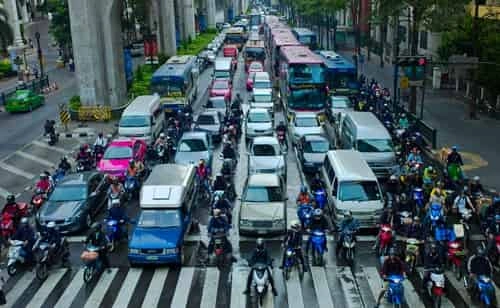
Lane splitting is when a motorcycle rides between lanes of vehicles traveling in the same direction, typically on multi-lane highways or during heavy congestion. It is not the same as:
- Lane sharing:two motorcycles riding side by side in one lane (also allowed)
- Lane filtering:riding between cars at very low speeds near intersections (not officially defined by statute)
California law specifically addresses lane splitting, making it a recognized and regulated practice rather than a traffic loophole.
CHP Guidelines for Safe Lane Splitting
Although California law permits lane splitting, the CHP provides safety guidelines to reduce accidents and liability. Recommendations include:
- Split only when surrounding traffic is moving at 30 mph or less
- Never exceed nearby traffic speed by more than 10 mph
- Avoid splitting between large trucks, buses, or RVs
- Do not split near curves, ramps, or in narrow lanes
These are not strict speed limits, but police and courts use them to determine whether a rider was being reckless. If a motorcyclist causes a crash while lane splitting aggressively, they can still be cited or found at fault.
What Drivers Must Do
California drivers cannot block, interfere with, or intentionally crowd a rider who is lane splitting. Any driver who intentionally prevents a motorcyclist from passing or swerves to block a lane splitter may face citations for unsafe driving or reckless endangerment. Motorists must stay in their lane and check mirrors before changing lanes. Blocking a motorcycle is illegal and dangerous.
When Lane Splitting Can Lead to Tickets
Even though lane splitting is legal, motorcyclists can still receive citations if they split lanes unsafely. Common violations include:
- Excessive speed while splitting
- Unsafe weaving between vehicles
- Passing on the shoulder (which remains illegal)
- Causing a collision due to risky maneuvering
Legal lane splitting does not excuse reckless behavior. A rider who crashes because of unsafe splitting can be held financially liable.
Why California Allows Lane Splitting
Lane splitting is allowed for several reasons:
- Motorcycles overheat more easily in traffic
- Riders are less protected than drivers if struck from behind
- It reduces congestion on packed highways
- Studies show lane splitting at reasonable speeds can be safer than sitting in stopped traffic
- California’s traffic density makes lane splitting a practical safety and mobility measure rather than a high-risk loophole.
Conclusion
Lane splitting is legal in California, but legality doesn’t equal unlimited freedom. Riders can only split lanes safely, reasonably, and without endangering themselves or others. The state allows it to reduce congestion and protect motorcyclists stuck in slow traffic, but it requires good judgment and respect for CHP safety guidelines. If you split responsibly and drivers stay alert, lane splitting can be a safe and fully lawful part of California road life.