Walking into a voting booth in California doesn’t usually involve showing a driver’s license or a passport. That surprises a lot of people, especially if they’ve lived in or visited states where voters are routinely asked for ID before casting a ballot. The truth is, California’s approach isn’t random or careless. It stems from a long-standing belief in maximizing access to the ballot box, a legal framework that balances identity verification with broad voter participation, and recent state laws that actually bar local ID mandates. Understanding this requires a bit of context about how elections work here and why lawmakers have chosen this route.
Unlike most of the United States, California doesn’t generally require voters to present a government-issued photo ID at the polling place. That doesn’t mean identity isn’t checked — it is, but mostly before Election Day when people register, not when they show up to vote. And in rare situations where a voter’s identity can’t be confirmed by registration records, limited forms of ID might be asked for. But the broad rule is simple: no ID at the booth for most people. Let’s unpack why that is and what it means in practice.
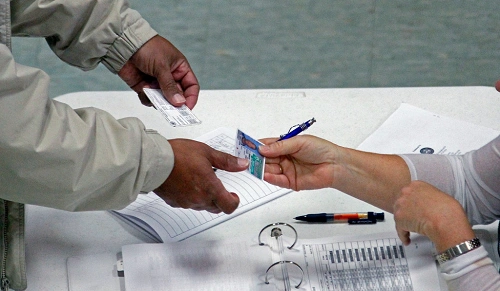
Identity Checks Happen at Registration, Not the Polls
California does verify voter identity — just not usually on Election Day itself. When someone registers to vote, they fill out a voter registration application and typically provide a California driver’s license number, a state ID card number, or the last four digits of their Social Security number. That information is checked against official records. If a match is made, election officials effectively confirm the voter’s identity long before Election Day arrives.
If a person didn’t provide those numbers during registration, then they may be asked to show some form of ID the first time they vote in a federal election or to prove identity if there’s a specific reason to doubt the registration. But that’s limited and specific, not a blanket requirement for every voter every time.
State Law Bars Local Governments From Requiring ID
California took a clear stance on this in recent years. In 2024, the Legislature passed and the governor signed a law that stops cities and counties from creating their own voter ID rules. That means local governments can’t independently decide to make people show IDs at the polls. A similar law was upheld when a local voter ID measure in Huntington Beach was struck down as violating state election law — courts agreed it would risk discouraging eligible voters, especially those in marginalized groups.
This isn’t accidental. It reflects a policy decision to keep voting accessible and uniform across the state, rather than leaving it up to each city or county to decide how strict their ID checks should be.
The Big Picture: Access Versus Barriers
California’s choice fits into a broader debate about voter ID laws nationwide. A majority of states require some form of ID at the polls, and a smaller number have strict photo ID rules. But critics of strict ID laws argue they can suppress voter turnout, especially among people without easy access to government-issued IDs — like low-income citizens, seniors, students, and people with disabilities. Voter rights groups and civil rights advocates have long said that even well-intentioned ID requirements can become hurdles rather than safeguards.
Supporters of voter ID laws, by contrast, see them as a way to increase trust in elections and prevent fraud. But evidence shows that in-person impersonation fraud — the kind voter ID laws would stop — is extremely rare. And California’s approach leans toward making sure eligible voters aren’t blocked from the polls by a technical requirement.
You Can Still Show ID If You Want
One thing that often gets misunderstood is whether voters are forbidden from showing identification. They aren’t. Voters in California can show a photo ID or other identification at the polling place if they choose. They just usually aren’t asked to do so unless their registration record specifically requires it.
The Bottom Line
California doesn’t require ID to vote because state law prioritizes access and uniformity over Election Day ID checks. Identity is verified through voter registration, and courts and lawmakers have blocked local ID mandates to prevent what they see as unnecessary barriers. That doesn’t mean fraud isn’t taken seriously — it’s just handled through other verification steps. This model reflects a broader philosophical choice about how to balance secure elections with broad participation.